Winter Home Checklist AU
Put this practical guide to work on your property and you will be in good stead for the cold mornings, hard rain and strong winds that are part of an Australian winter, not to mention the weather’s occasional mood swings. Some forethought in the form of a few checks can avert roof leaks, blocked drainage, heating issues and plumbing of the unexpected variety.
I am Jasper Whitlock. As a writer in Melbourne I have my own ideas on how a home should be run: I like a dry lounge room, a hot shower and gutters that do not make a mess of the front path. This preparation guide is for anyone in Canberra, Melbourne or a more clement clime who wants to get the necessary jobs done before the season turns wet and cold.
A Winter Walkaround
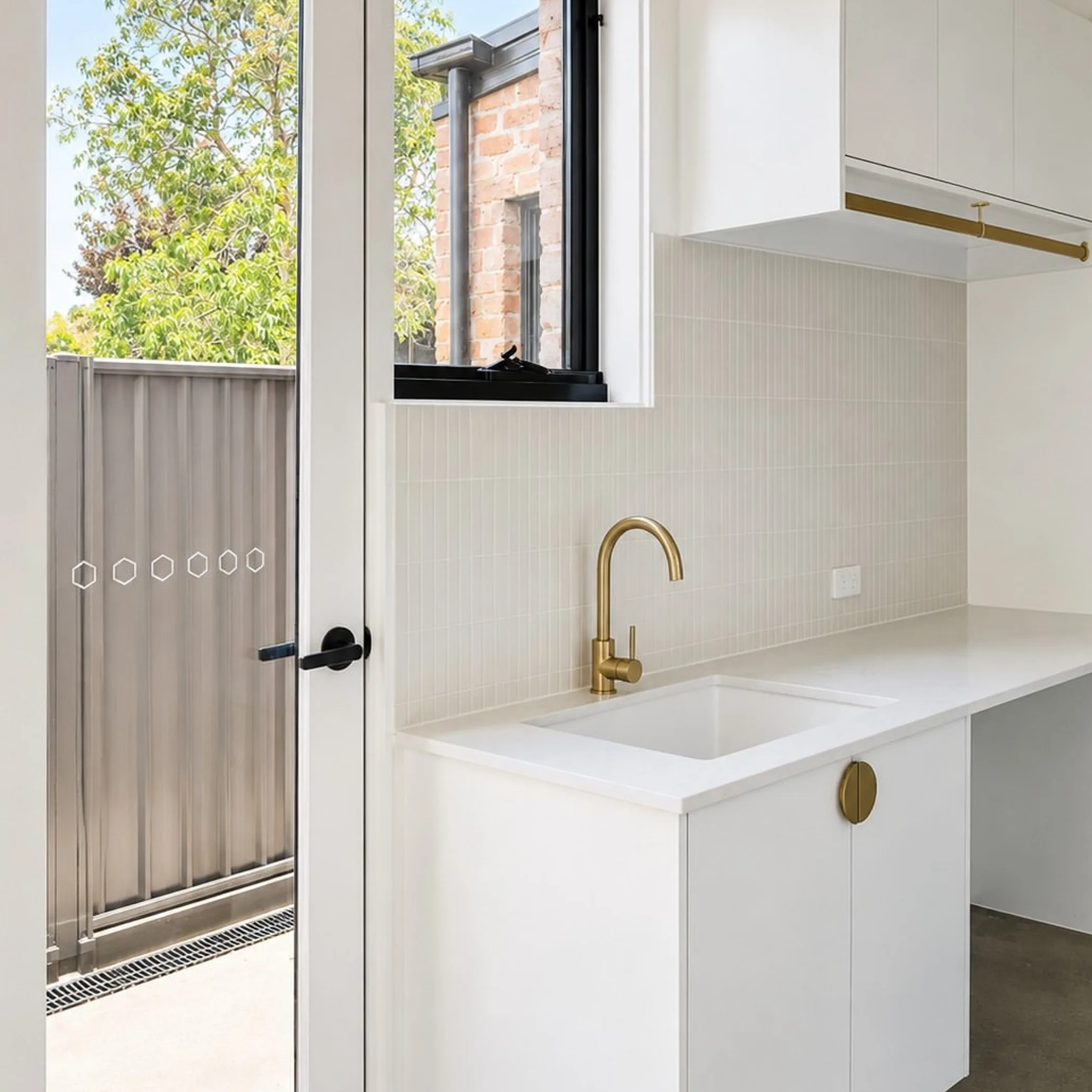
There is no better way to see what calls for your attention before any outlay on repairs than to put in a walk around the house. Bring a phone camera, a torch and something to make notes on; if you can do it after a rain so much the better, as water has a way of making known what the sun would rather you did not see. For more winter hot water care, check your system before the colder months.
An hour or 90 minutes ought to suffice for a basic inspection of the average house, though you will want to allow more time for a townhouse, a bigger block or one with its share of sheds and old trees. And leave the roof alone unless you are experienced and have the equipment for it. There is nothing to be said for a ladder, a wet surface and too much confidence.
Some Maintenance Scheduling
Any homeowner in Australia would be well advised to have a checklist that makes a distinction between the routine and what is pressing. Make a note of the problem, the date, what you plan to do about it and take a picture. That is the only way to avoid the error of seeing a seal go in May and not thinking of it until July when there is water on the wall.
| Task | When to do it | What you will find |
|---|---|---|
| Roof, downpipes and gutters | Pre-winter, post-storm | Overflow, rust, loose tiles, leaves |
| Heating and smoke alarms | Every six months and before use | Faults, dust, weak batteries, obstructed vents |
| Plumbing and outside pipes | After a frost and before winter | Drips, poor insulation, a cracked fitting |
| Damp and mould | Monthly in wet conditions | Dark patches, condensation, mustiness |
| Outdoor areas and trees | In advance of a storm | Unstable branches, dead wood, clogged drains |
These are for your planning purposes and do not supplant professional opinion or what the manufacturer says. Before you head out in anything severe, the Bureau of Meteorology services will have the local weather and any warnings.
Roofs, Gutters and Downpipes
The roof is your defence from the winter rain so do not let minor defects go by. An ordinary fall of rain will become an expensive fix, stained ceilings and ruined insulation if a tile is missing or the gutter is clogged.
Make an inspection from the ground. In these parts of Melbourne and Canberra the wind and rain will lay bare any weakness in short order, and if you are close to bushland expect more debris.
Catching Roof Leaks
Check for moss at the joins, any ridge caps in bad shape, metal sheets with rust or flashing that has come up. Go into the roof space and look for daylight, timber darker than it should be, water marks or the smell of mould.
But a stain on the ceiling does not mean the leak is right above it. Water will make its way along a rafter first. I have been in a hallway and put a small brown mark on the ceiling down to a loose fitting on the roof a few metres off. The roof was just being scenic, the ceiling had nothing to do with it.
Making Sure the Water Has a Path
Clear the sediment and leaves from the gutters and be sure the downpipes are putting water clear of the foundation and walls. Be on the lookout for a sag here or a rust hole, a bracket not holding fast.
Do not put a ladder to a gutter you cannot trust and stay away from power lines overhead. If the roof is hard to get to or steeply pitched, call in a licensed tradesman. You will put less money towards a safe inspection than you would a fall.
Drainage

You want your footings, floors and walls to be kept free of winter water by proper drainage. A downpipe not doing its job can put a damp patch on the building where there is none.
After some steady rain, go round the outside and see if puddles are hanging about while everything else has run off. Have a look at the garden beds, the paving and low spots by the garage or laundry, the retaining walls and grates.
Stormwater And Outdoor Areas
See to it that stormwater drains, grates and channel drains are free of leaves. Verify the covers on your drains are secure and there is no impediment to flow from soil, mulch or any new edging in the garden. Should water have a habit of backing up, put in for a professional to look at it instead of making a practice of bailing out the same puddle.
Downpipes should be discharging where they ought to and not running soil in the direction of the house. Give outdoor taps, hoses and irrigation a once over for any leaks; left to it a slow drip will waste water and in time make for damp walls and paths that are slippery.
Trimming Of Branches
Any tree branches in the vicinity of power lines, roofs, fences or the driveway warrant inspection. Have an arborist come and take down dead or unsound ones, especially on a large tree or one in close proximity to a building.
Leave major pruning until the wind has died down and the ground is not saturated. A wet earth does little for the stability of ladders or trees and the branch is not going to wait for your weekend plans.
Heating And Ventilation
Temperatures being what they are, heating systems will be put to the test. It is better to do some early maintenance for your own comfort and to stave off bad odours or faults, sparing you the trouble of vying with others for a technician when a cold front comes through.
Ventilation in winter is important as well. Shutting all the windows allows moisture from cooking, the shower or drying laundry to build up and you will have condensation and mould to contend with.
A Word On Servicing
Follow the maker’s instructions in cleaning the filters of a reverse-cycle unit and see the indoor and outdoor parts are clear of debris. Put the system through its paces for a bit before the winter sets in and make a note of any odd sounds, poor airflow or smells.
Gas heaters, fireplaces and like appliances need to be put in the hands of a professional. An outdoor heater, generator or barbecue has no place in the home, garage or veranda; the carbon monoxide they can give off is invisible and deadly.
Where a gas appliance is present the home should be fitted with a carbon monoxide detector as a manufacturer or other expert would advise. Do not just put one up on an empty wall but adhere to the proper testing and installation procedure.
Ceiling Fans
There is a winter mode on most ceiling fans to bring the warm air from above. Run it at a speed you are comfortable with for some circulation, not to put up an indoor cyclone.
Blades should be clean and there should be no wobble or clicking. Before you inspect or clean fixed electrical gear, cut the power. For anything to do with wiring or installation, engage a licensed electrician.
Openings And Draughts
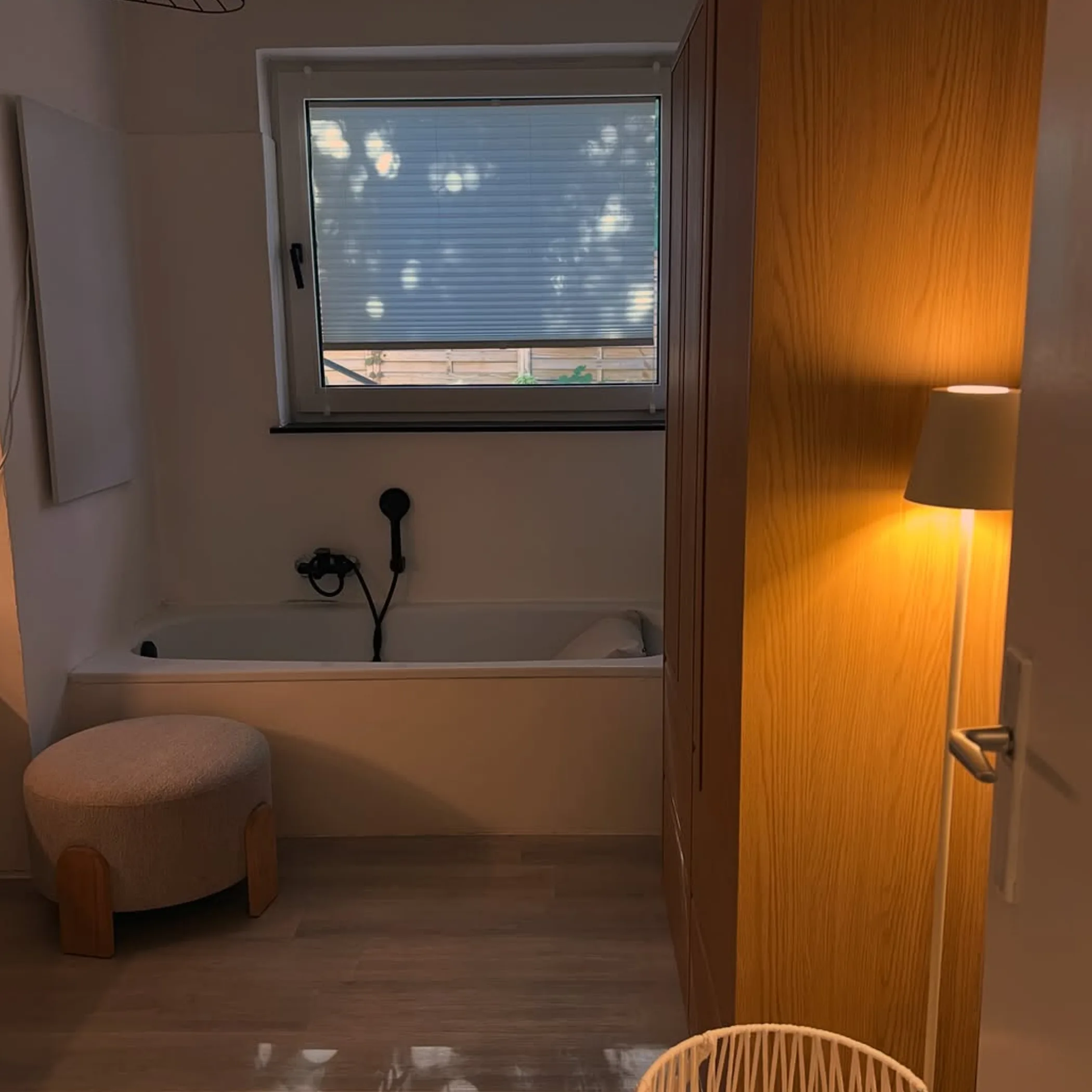
Draughts add to the energy bill and make a room seem colder. In an older home with timber frames or seals that have seen better days, sealing up gaps in windows and doors is an easy enough task.
Put your hand to the edges of a door or a vent on a blustery day and you will feel the cold air coming in before you spot the opening. A piece of tissue paper will do the trick, so long as it is kept from any flame or electrical equipment.
Windows And Doors
Weatherstripping, caulking and door sweeps should be in good order. Use the right material to mend any gap in the frame and put in new strips if they have perished. But do not seal a window shut, that is no way to ensure you have ventilation or an escape route in an emergency.
At night draw the blinds or curtains to hold in the heat, and let them open on a sunny day to warm things up. Heaters and vents must be unobstructed by furniture or stored goods.
Plumbing And Hot Water
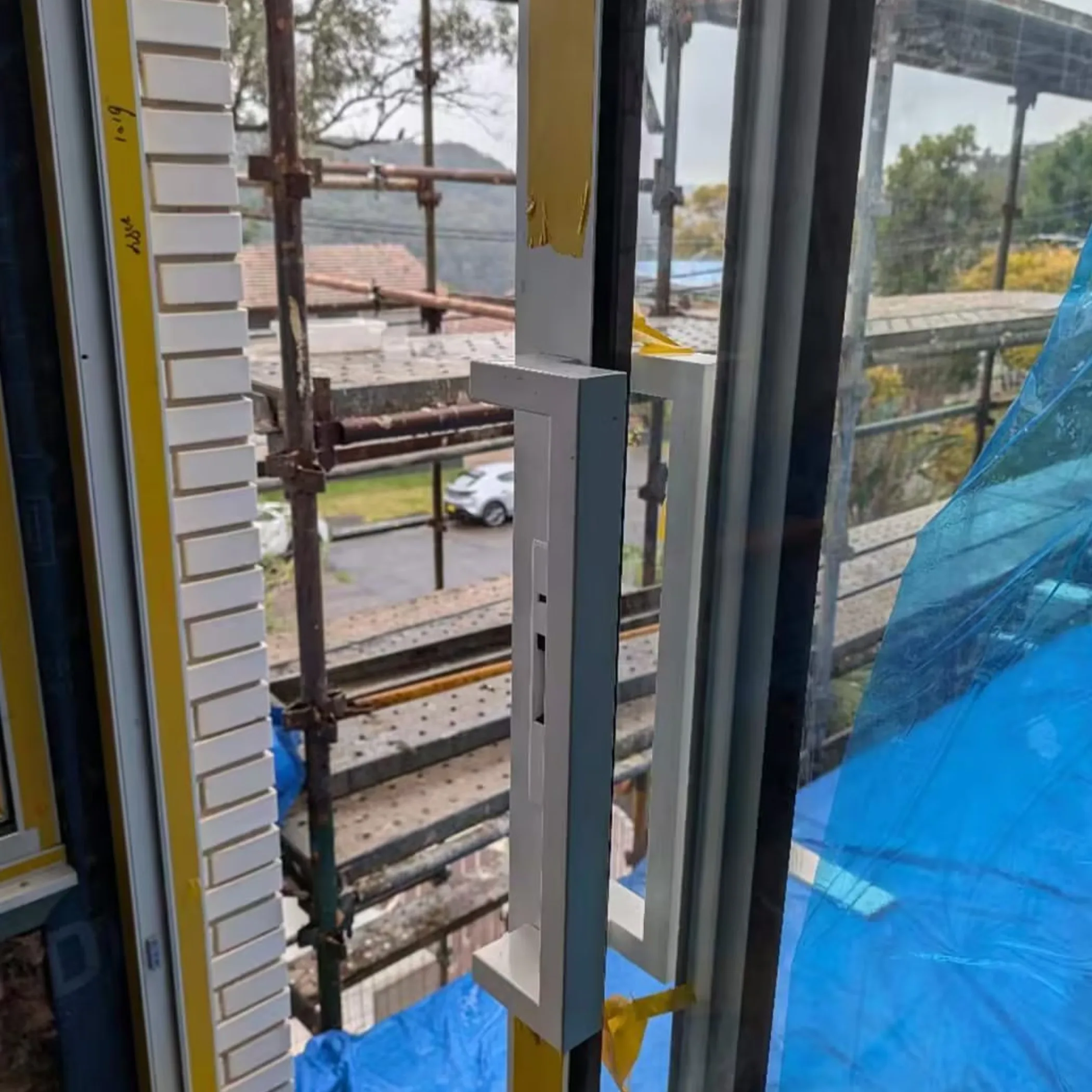
The cold can lay bare a small leak in the plumbing or hot water system that was not there before and more demand on the hot water may tell you a valve is past its best or insulation is wanting.
Under the sink, by the toilet or washing machine and in the cupboards near the hot water unit, check for signs of corrosion, bulging hoses, water stains or a tap that is dripping.
Cold Damage And Leaks
Insulate the hot water pipes you can get to, provided they are not in the way of a flue or burner. In Canberra or the higher country in Victoria where frost is an issue, examine outdoor taps and pipes for cracks.
Be sure you know where the main water shut-off is and can get to it. If it has been years since you have used it, try it gently. It is better to have a plumber sort it out than to put force to it and make an emergency of it.
Part of sensible hot water care in winter is to have a look at the temperature and pressure relief discharge pipe and its environs, all without tampering with safety controls. Leave it to a competent plumber to put his eye on any faults, leaks or odd noises.
Household Safety Devices: A Test Run
Follow the maker’s instructions for your smoke alarms; new batteries or a whole new unit may be in order. Do not be tempted to pull a battery out just because you set off an alarm with some cooking, and make sure they are free of dust.
It is well to ensure that all members of the household can think of two exits from the home and have a plan as to where they will convene outside. Tenants would do well to put in a prompt report to their landlord or property manager over any problems with gas, electricals or the smoke alarms.
Dealing With Damp, Mould And Pests
Mould has a way of appearing with some speed in a damp house come winter, in bedrooms and bathrooms, the laundry or anywhere the sun does not reach. You will find the answer lies in putting right the source, in ventilation and cleaning, not in a coat of paint over the stain.
Pests too will be drawn indoors by the cold. A rodent or cockroach will prefer the warmth of a wall cavity to the garden, even if one has not been asked to come and have a look at the heating system.
Moisture Control
When showering, run the exhaust fan in the bathroom and leave it on for a while. Put wet areas to dry at once and put the windows open for a time if the weather is kind. There is no point in bringing in large loads of washing to dry with no ventilation.
Give air room to circulate by moving large pieces of furniture and wardrobes off the cold exterior walls. Should you come across musty odours, condensation on the windows, dark spots that keep reappearing or bubbling paint, see into the matter. For anything like extensive water damage, asbestos or stubborn mould, get professional counsel.
Keeping Pests At Bay
Put a stop to pests by mending flyscreens and sealing up any gaps about doors and vents. Leaf litter should be cleared from around the house and rubbish bins kept shut; store food in containers that seal.
Have a look in the roof space, shed and garage for any sign of nests, droppings or insulation that has been chewed. Read the label before reaching for pesticides, especially if there are children or pets about, or a rainwater tank.
- Then there are the gutters and downpipes, stormwater drains and grates to be attended to.
- Inspect the flashing, ceilings and roof coverings.
- The same goes for the heating system, carbon monoxide and smoke detectors.
- Seal off any draughts at the windows and doors.
- Give the plumbing and hot water system a once over.
- Put an end to damp and mould.
- Trim a tree branch that is a hazard.
Making Time For What Matters
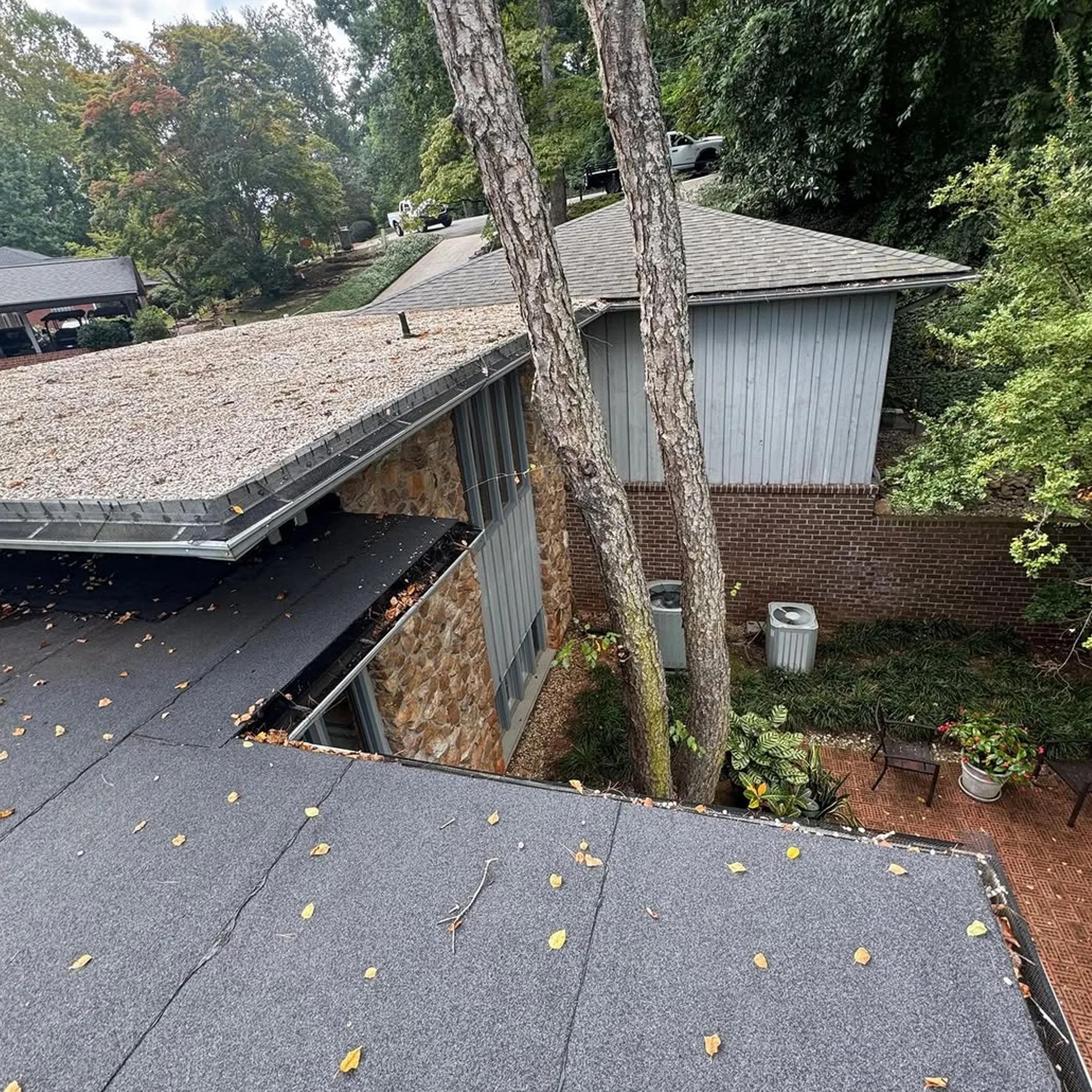
One day is all you have? Then put aside the cosmetic work of repainting a hallway and turn your attention to water and fire hazards, the heating appliances, any obvious plumbing or roof leaks and the like.
For those who are short of tools or experience, it is best to let a licensed pro handle the roof, gas or electrical repairs and major pruning of trees. Any job with structural implications or live services is not one to take on yourself.
What One Might Expect
You might think winter preparation is a case of putting out the thicker blankets. In truth the most worthwhile work is done out of sight in the drainage and roof space until you are forced to notice it.
Or you could regard mould as something to be cleaned up, when in fact it is telling you there is a leak or poor ventilation. Clean the patch and do nothing about the moisture and it will be back.
Some Answers To Common Questions
The following will address the sort of jobs that are put off or not understood until a hard cold front arrives. Take the answers and then refer to your manuals and tenancy rules.
What Maintenance Should You Do On Your House Every Year?
An annual round of maintenance should include an inspection of the roof and plumbing, testing of smoke alarms and heating, a review of the drainage and trees and an eye for dampness or pest entry.
What Should I Check On My Checklist When Moving House In Australia?
If you are making a move in Australia, put on your checklist the location of the main water valve, the switchboard, gas isolation and smoke alarms. Before you unpack, photograph any damage and check the hot water, taps, toilets, windows and the like.
What Are Ten Vital Home Maintenance Tasks I’ll Regret If I Forget?
There are ten tasks you will be sorry to have overlooked: from clearing the gutters and downpipes to checking for carbon monoxide, trimming a tree branch that is a hazard and putting an end to damp and mould. It is the difference between a small defect and an urgent repair.
How Do I Make A Maintenance Checklist?
A good way to make a checklist is to have monthly, seasonal and annual sections with the date, cost and a photo of the problem. Put it in a shared document or on your phone so it is not left to one person to remember.
Should I Turn Off Outdoor Taps In Winter?
As for outdoor taps in the winter, in places where frost is likely, inspect them and any exposed pipes and act on local plumbing advice as to whether they need draining. Do not put it to the test with a complex system or irrigation; a plumber will know what is safest for your property.
Finish With A Safer, Drier Home

In the end a bit of maintenance is to prevent water, cold and smoke from getting in. Get the high risk items done and call in help before a fault turns into a drama.
A proper checklist will see you through the colder months in comfort in Melbourne, Canberra or wherever in Australia you may be. Do the unglamorous work first and you will have a warm room and a dry ceiling to show for it, with no need to make a dash for a bucket.