There is nothing like a hot water system failure in an Australian winter to have the whole household shivering by the shower come breakfast time. For the most part, a healthy system will not be “broken” by cold weather; it is the added demand of winter that puts strain on things and makes any old parts or faults impossible to overlook.
In this guide I cover the sorts of hot water problems one encounters in winter: no hot water at all, lukewarm flow, leaks, odd noises and matters of safety. Jasper Whitlock here from Melbourne, where you would be hard pressed to consider a warm shower a luxury on a cold morning, more of a necessity.
The Stress Of Winter On Your System
Winter alters the way a hot water system has to perform. The water coming in is colder, there is more use of it for washing and comfort and showers tend to go on longer. Put it all together and an older system can be pushed beyond what it can do.
Small faults are also brought to light in winter that might have been missed in the warmer months. A system with a weak heating element or corroded tank will get by in autumn but find it a struggle under heavier use. For more on plumbing emergencies down under, seek professional advice.
Longer To Get Cold Water Up To Temperature
With a drop in the temperature of incoming water, the system has to put in more work to make it palatable at the tap. After a few showers an electric storage tank will take its time to recover, a heat pump is not as efficient in the cold air. And gas continuous flow systems have their limits too; run a couple of outlets and if the burner or supply is not right you will not get the temperature you want.
Then there is the morning rush before work. Four in a family can see a storage tank emptied in short order with the laundry and dishes on top of back to back showers. There is not much room for error in winter. One may think the system is dead but in truth it could be undersized or losing heat to poor insulation, or clogged with sediment. The first cold shower of the day is usually enough to tell you.
What Is Behind The Failure
You will find that winter hot water issues are the result of some plumbing, electrical or gas fault. It is well to identify the probable cause so as to give the plumber a clear picture and not resort to unsafe guesswork.
More often than not a fault is multi-faceted. A failing heating element for slow recovery and mineral scaling to impede flow can go hand in hand. Address one and you will be faced with the same trouble in a week.
Heating Components That Have Seen Better Days
The thermostat and heating element are what an electric storage tank is made of. Should the element go, expect cold water. An inaccurate thermostat will give you something inconsistent from tap to tap, or water that is too hot or just tepid.
Gas systems are dependent on the burner, sensors and controls. An ignition problem or a dirty burner will put a stop to the heating. If there is a smell of gas or any suspicion of a fault, leave the equipment alone, do not try to relight it or take it apart.
Corrosion, Scale And Sediment
Sediment has a way of settling in the bottom of a storage tank which will cut into capacity and cause a rattle when the water is being heated. Mineral scaling will encroach on valves and components.
But corrosion of the tank is of a different order. You will know there is internal deterioration from a steady leak or rust in the water. The anode rod is there to ward off corrosion in some tanks but it is only a service part and will not last indefinitely.
Pipes And Pressure
Normal operation will see a pressure or expansion relief valve let some water out now and then, but if it is a constant drip it warrants a look. Severe cold can freeze pipes in the alpine regions and exposed plumbing, though rare in most of Australia. Up in the Top End you have storms and the wet season to contend with, not to mention power and water ingress. The calendar may read winter but the climate dictates otherwise.
Early Warnings
A system will generally offer up some clues before it gives up entirely. Heed them and you may avoid water damage or save a component that is still repairable. Do not need a pipe to burst in a dramatic fashion to pay attention to a hot water system, even a minor warning is one none the less.
On Temperature Variations
A lack of hot water and lukewarm temperatures can be symptomatic of an undersized system, restricted flow, a bad thermostat or a heating element on its last legs. Should the trouble be confined to one tap while another is fine, it is more likely a matter with the tempering valve or the tap itself than the main unit.
Where all outlets are cold, verify the gas or power to the system from where you can do so safely. Under no circumstances should covers be taken off, switches bypassed or any electrical wiring tampered with.
Noise And Discolouration
Water that is brown or rusty could mean there is corrosion in the tank or pipework, or even in the local supply. Make a comparison by running the cold for a moment; if the hot water alone is discoloured do not put it down to chance and have a professional look at it.
As for rumbling, that is often sediment or mineral scaling about the heating element. Unusual vibration, hissing, popping or banging should be looked into as well, especially in conjunction with a change in temperature or a leak.
Dealing With Leaks
Do not put a bucket under a drip unless it is easily reached and poses no electrical risk. Wet electrical equipment is not to be touched. In the event of a fast escape of water, make sure to isolate the supply and get a plumber in on an urgent basis.
From a dry vantage point, photograph the area and make note of the source. A licensed plumber will want to know if the water is coming from the tank body or a connection, as they are two different matters.
Electric, Gas And Heat Pumps
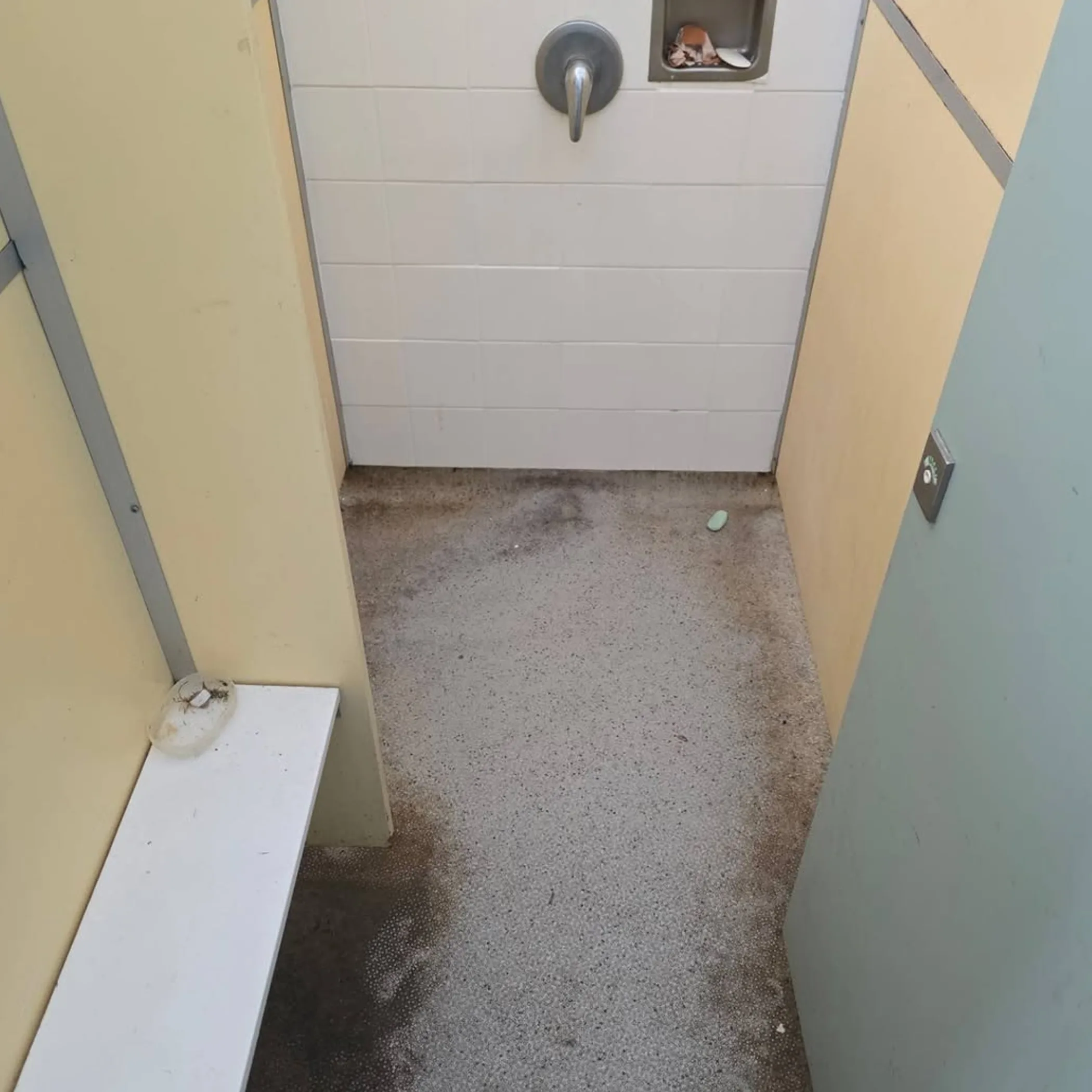
Every system has its own way of breaking down. An awareness of the distinctions will keep one from making the wrong sort of repair, like resetting the power over and over when a leaking tank is the true culprit. For some general reading the Australian Government’s household energy guidance on hot water systems is recommended, though installers and manufacturers may have their own stipulations for servicing.
Faults With Electric Storage
The tank may cease to heat if a circuit breaker has tripped, or due to a faulty element or thermostat. Provided there is no sign of damage, a burning odour or water leak, a reset is in order after a clear trip of the switch. But if the breaker goes again, let it be and put in a call to someone qualified. Making an issue of safety by resetting repeatedly is not advisable. Any electric work calls for an electrician or plumber-electrician with the proper licence for the job and the state.
Problems With Gas Continuous Flow
Interruption to the gas, an ignition failure or insufficient water flow will see the unit deliver cold water. One can check other gas appliances but should not be poking at the gas components. The smell of gas means to vacate the premises, stay away from flames and switches and ring the emergency service. A hot water emergency plumber is of use for the plumbing but a licensed gasfitter is needed for gas safety.
Heat Pump Quirks
Since the system is drawing heat from the air, recovery time will be longer in the cold; it is not a given the unit has gone. Repeatedly cold water, error codes, loudness from the fan or compressor and odd cycling warrant an expert opinion.
Make sure the outdoor unit is free of leaves and anything put out to store. Hosing the electrical bits or trying your hand at refrigerant is not to be done. These are complex systems of plumbing, refrigeration and electrics and the technician you engage should be up to it.
What Is Safe To Check
In the winter when the hot water is not there, resist the urge to open panels and make your observations from a safe distance to see if the whole property or just the system is at fault. If the property is rented, put the property manager in the picture without delay and have it in writing. Owners should make a record of the model and any error code before service is called in. YouTube has its place for information but it will not tell you the condition of your tank or gas pressure.
- See if every hot tap is affected and that the cold is working.
- Note any tripped breaker or safety switch (and don’t handle wet gear).
- If you are in a position to do so, check the gas supply and put a stop to it at the first whiff of gas.
- Be on the lookout for leaks, brown or rusty water, error codes and any noise out of the ordinary.
- Relief valves and hot pipework are best left alone, as are children in the vicinity of the unit.
Put Pen To Paper
It is worth recording what happened: the onset of the failure, how many were using hot water prior to it, whether it was cold or lukewarm and if things alter with time. Include any recent plumbing, renovations, storms or loss of power in your notes.
It is more informative to have the facts than to simply state the system is “being weird”, even if that is an apt way to put it. With a proper timeline in hand, a plumber can cut down on diagnosis and know which parts to have on hand.
Winter Maintenance of the Sort That Is Worthwhile
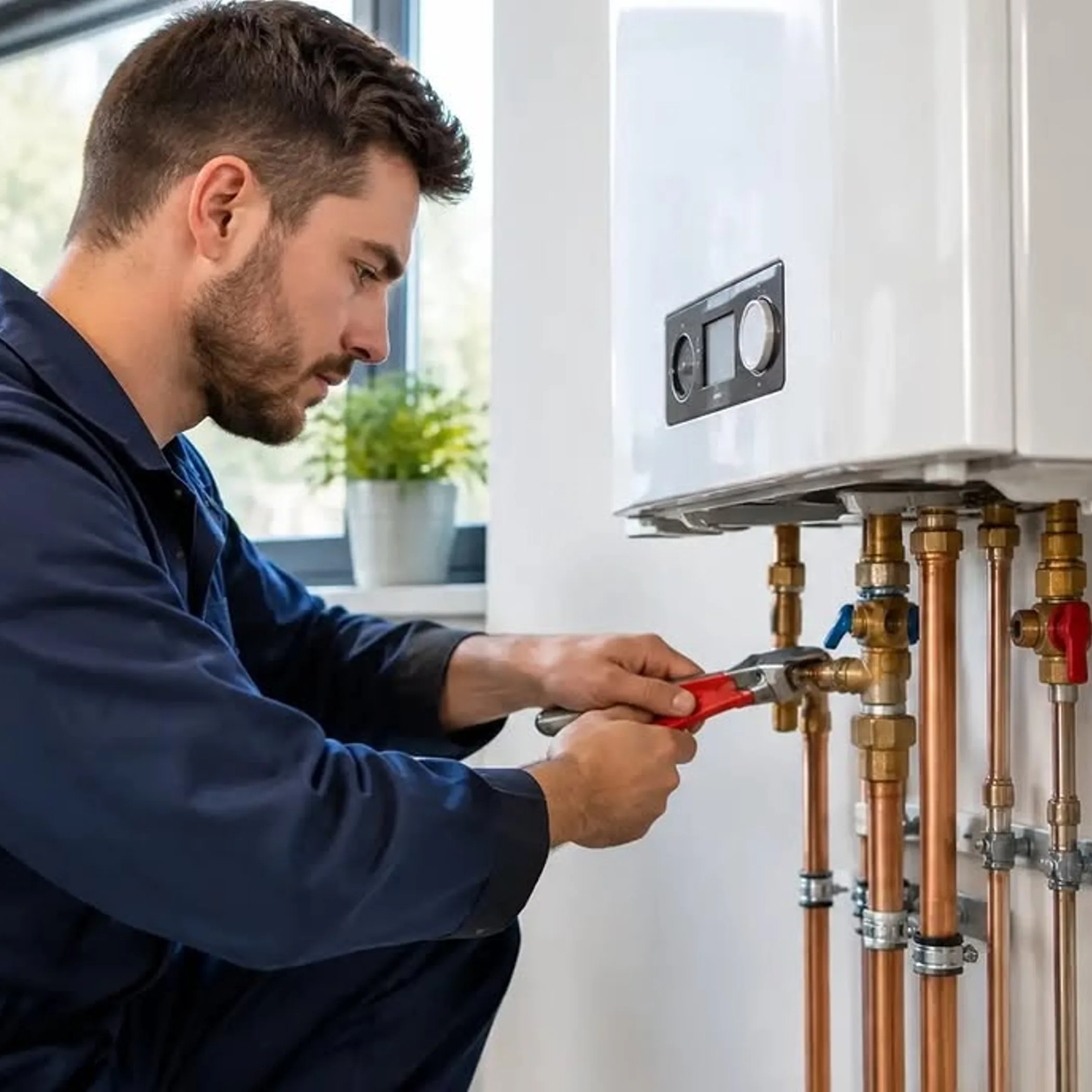
Households in Australia should be tending to their hot water systems well before the first morning of real cold sets in. An inspection as part of your routine will be less of an inconvenience and cost you less than having to make an emergency repair to a tank that has made a mess of the laundry floor.
Of course one system is not like another; age, make and location all come into play. Put it to a licensed plumber as to what your model needs in the way of replacement or flushing.
Book A Seasonal Inspection
Have the plumber go over the tank, the anode rod, connections, relief valves and insulation for any corrosion. Where the system allows, a good flush will deal with sediment, provided it is done in a safe manner.
Make note of when the last service was and put the paperwork away. In a suburb like Darebin access may be no trouble at all, but then there are narrow driveways, locked plant rooms and apartment garages that eat up time. Make the plumber aware of parking and access issues at the time of booking.
Heat Retention
Any accessible pipes or the storage tank should have their insulation seen to; put in new product where the old is damaged while leaving room around ventilation and gas appliances. Safety components, flues and controls are never to be covered.
Try to avoid running things at the same time in peak periods. Should the system be hard put to keep up, question whether the demand is suited to the recovery rate and tank size. A new part will not fix a sizing issue.
Dealing With Local Conditions
The alpine will see exposed plumbing need protection from the worst of the cold. Southern cities must factor in power interruptions and the chill of the morning. Up north in Australia winter is drier for the most part, yet storms and the wet season have their own timing depending on the region.
For a day’s preparation, get on with the system and leak check and sort out access. Leave the DIY to those who are qualified. A phone call is the surest way to a shower in working order, not some heroic contest with a screwdriver.
When To Call For Emergency Help
Some situations do not wait till Monday. An emergency plumber is called for when a fault puts a household at risk of flooding, burns or exposure to gas and electricity, or deprives them of essential hot water. A burst tank, a leak that is getting worse by the minute, a relief valve that will not quit discharging, or the smell of gas are all grounds for a prompt call. Do not go near any equipment that is compromised and let the plumber take charge.
An Efficient Call
Give the plumber the brand and model (from where it is safe to do so) along with the suburb and any parking constraints. State if the water or gas has been isolated. You might as well ask about the call-out fee and if parts are an additional charge, and what after-hours loading looks like.
Costs for an emergency in Australia are a matter of location, the system and how complicated the repair is. There is no point in a vague promise of something cheap, it will prove costly enough. If it is a non-urgent job, get a firm estimate first. And in the case of a caravan park, apartment or the like, put in a word with the manager; the plumber could require use of a common plant room or isolation valve.
Frequently Asked Questions
Winter has a way of bringing hot water faults to light and I am asked these questions more than others. The answers are straightforward, though a problem that is unsafe or will not go away calls for a professional.
Why does the hot water give out in winter?
The cold water coming in, the longer it takes to recover and higher demand will lay bare a faulty control, power supply, thermostat or burner. It is the winter that uncovers the fault.
What makes for lukewarm hot water?
A tempering valve or heating element on its last legs, scaling, low gas flow or a system too small for what is being asked of it. When it is every tap, have the system assessed.
Is my system on the way out?
Look for temperature inconsistency, rumbling, rusty or brown water, a relief-valve discharge or breakers that trip with frequency. One or two of these signs are minor, put them together and you want service.
Can the cold do damage to the pipes?
In alpine country an open flame is not the way to thaw a frozen pipe and severe cold will harm anything poorly protected. Elsewhere in Australia winter is more likely to put wear and tear on show by increasing demand.
Preparation for winter?
Review the insulation, look for corrosion and leaks, ensure you have safe access and find out if the anode rod or system requires a flush. Have the model and emergency numbers to hand.
Predictable Showers in Winter
The way to stave off failure is to be proactive. Note any discolouration, noise, change in temperature or repeated gas and power issues before the week’s busiest morning comes around.
You can do your own checks but major plumbing, electrical and gas work is for a licensed professional. Then with a sensible approach to maintenance and an emergency plan in place, the odds are in favour of the system seeing out the winter without making an indoor creek of the laundry.
Jasper Whitlock