To go about cleaning windows in Australia without leaving a mark, you need three things to begin with: favourable weather, clean tools and a squeegee applied with even pressure. Jasper Whitlock has put together this guide to walk you through the process of a good window clean, be it at a bush property or in a Melbourne flat or a Queenslander in Brisbane.
The method is straightforward. Put in some steady work with the squeegee after you have seen to any dry dust or cobwebs and given the glass a wash with warm water and a little dishwashing liquid; make sure to clear the water with a rubber blade before it has a chance to dry. You will find a cloudy day affords you more time than being in the direct sun where what was a neat window can become something of a patchy science experiment. Choosing the optimal timing for window washes can also help.
What You Need For Clear Glass
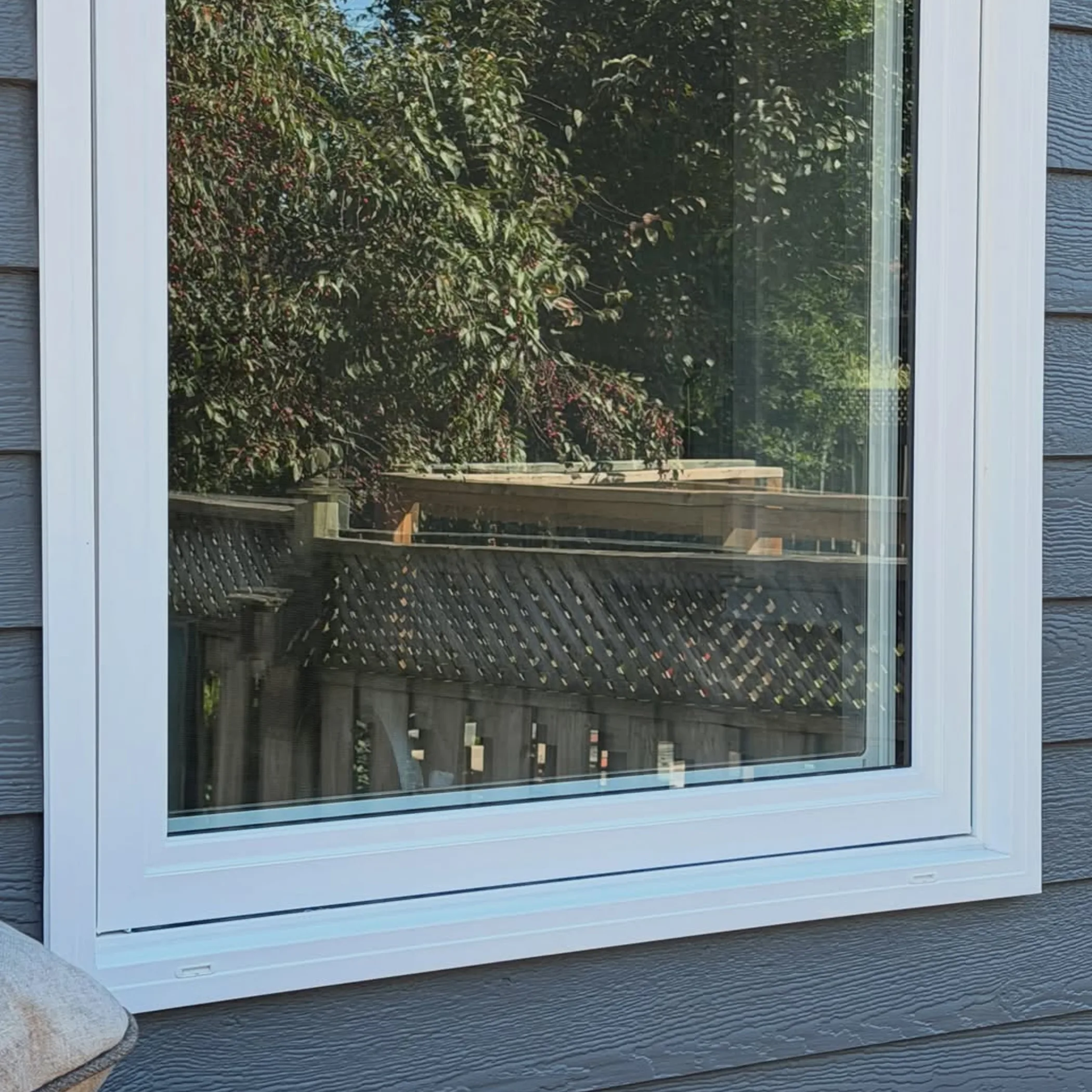
You do not have to shell out for top dollar products to see good results so long as your equipment is up to the job. A microfibre cloth or bucket with grit in it, or a rubber blade past its best, will put more marks on the glass than the dust did.
For the average Australian home a no frills kit will do. Get the longest handle that is safe to use and resist the urge to put yourself in the position of some reality show contestant by perching on a dining chair.
Essential Window-Cleaning Kit
- You will want a T-bar washer, squeegee, microfibre and lint-free cloths, a bucket of warm water.
- Have a soft brush or vacuum for the tracks and cobwebs.
- And a separate cloth for the sills and frames along with some white vinegar, dishwashing liquid and clean water.
- Where called for, have your PPE and a step platform to stand on.
Make sure the squeegee has a flexible blade to lie flat on the glass and put in a new one if it is nicked, has curled ends or is putting in a line every time. It is all too easy to make the mistake of running dirty water from the frame onto the glass you have just done and end up with smears, so have a cloth for the glass and another for the frame.
A Safe Cleaning Solution

There is no point in using strong chemicals which might harm tinted glass or seals when a mild, economical homemade solution is easier to rinse off and leaves no residue.
Take a bucket of warm water for general glass and put in some dishwashing liquid, say 5ml of detergent to 5 litres of water (a 1:1,000 ratio). It should have a hint of soap to it but not be a bubble bath.
Vinegar, Detergent Or Glass Cleaner
White vinegar is fine for everyday cleaning and light mineral residue; mix ten parts water to one part vinegar. It will sort out water spots but do not expect it to be a miracle worker for silicone or greasy fingerprints.
A commercial brand like Windex is perfectly serviceable in moderation and with a clean cloth. The same goes for a dash of Dawn or Morning Fresh though the formula is not always the same. Read the label first and foremost, especially with coated or tinted glass and painted timber. If you have hard water, distilled water will cut down on mineral marks. The pros will have their specialist gear for high exterior work but for most household tasks tap water is fine provided you are on top of it before it dries.
Washing Conditions
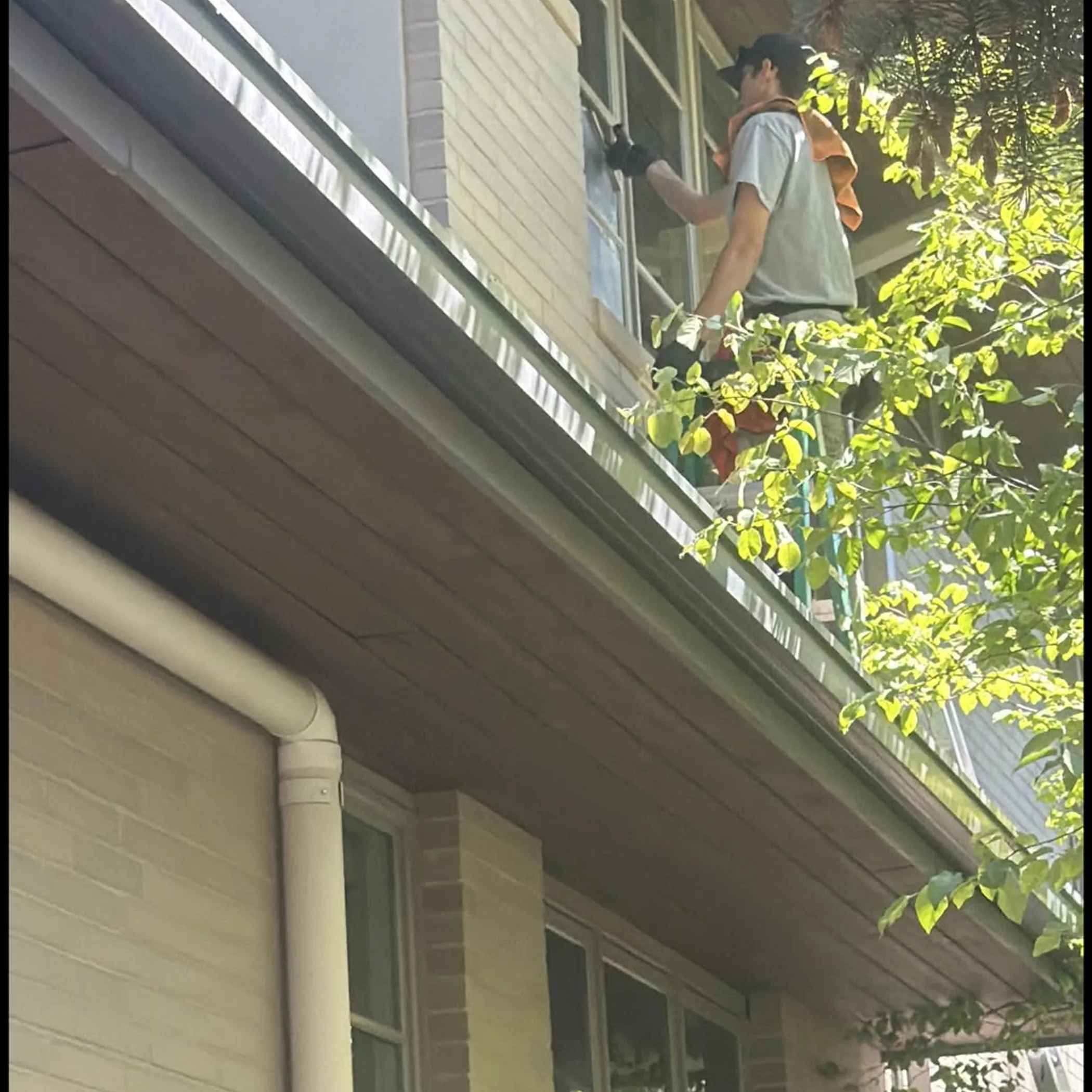
In Australia the heat and wind and dust in the air mean the glass will dry at different rates. Time your window washing for a cool, shaded part of the day. A cloudy day is often best but check the glass with your hand; if it is hot let the shade come to the window. The Bureau of Meteorology will tell you what to expect way of rain or temperature before you set out on exterior work.
Seasonal Considerations
Spring pollen and the dry summer dust in Melbourne will make themselves known on the windows in short order. Salt spray in coastal areas puts a film on them. Up north and in the Top End the wet season means humidity, mould around the frames and heavy rain. From November to April in northern Australia you would be wise to heed local warnings and put off any exterior work during a cyclone alert.
Then there is the fine particles left by bushfire smoke in the summer. Do not attempt to dry-wipe a sooty or very dusty window, the grit will only score the surface. Start by wetting the dust and be sure to rinse your cloth often.
| Condition | What It Does | Best Response |
|---|---|---|
| Direct sunlight | Too rapid a drying of the solution will leave streaks | Opt for the shade or put off the work until it cools down |
| Wind | Makes ladders wobbly and puts dust on the glass | Tend to any sheltered windows first, stay clear of unsafe heights |
| Light rain | Will put marks on an exterior you have just done | Hold off unless the glass is dry and the rain has passed |
| High humidity | Residue can show up as drying is retarded | Make a few more squeegee passes and do not overdo the solution |
| Hard water | Water spots and mineral deposits are the result | Rinse with distilled water or be judicious with vinegar |
A Streak-Free Approach
One does not have to be in Australia to know that the proper way to wash outside windows is to go from a dry prep to a wet one and then put in some controlled squeegee work. To rush the initial part is to put dirt all over the pane and complicate matters at the end.
Frames And Glass
Put the flyscreen aside if you can and shut the window. A brush or vacuum will see to the dust on the frames, sills and tracks. Clear away cobwebs before making the area wet, particularly in corners where spiders have set up a modest suburban portfolio.
Give the glass a once over for any tinting film, loose seals, chips or scratches; do not be too aggressive with a scrub on damaged or tinted panes. A soiled flyscreen should be given its own bath in some mild soapy water and dried prior to putting it back.
Wash In Sections
After dipping the T-bar in the solution, wring it out. You want to cover one pane at a time with overlapping vertical or horizontal strokes, but let the washer do its moving so the dirt has no chance to re-settle.
Pay attention to the top edges and corners where water and detergent will pool and run down in trails. Should the glass be very dirty, change the solution or use a second bucket to rinse the washer instead of taking grit from one side of the window to the other.
Squeegee Work
An even pressure on the rubber blade as you make a single steady stroke from the top corner is the order of the day. A microfibre cloth to wipe the blade between each pass and a slight overlap for the next. Beginners would find straight overlapping strokes easier to master than the S-pattern you might employ on a wide pane. Once the bulk of the water is gone, go over the edges with something lint-free.
View the window from all sides. A streak calls for a fresh pass with a clean blade. There is no point in buffing the same place with a damp, soiled cloth, you will only spread it about like gossip in a country pub.
Exterior Windows At Height
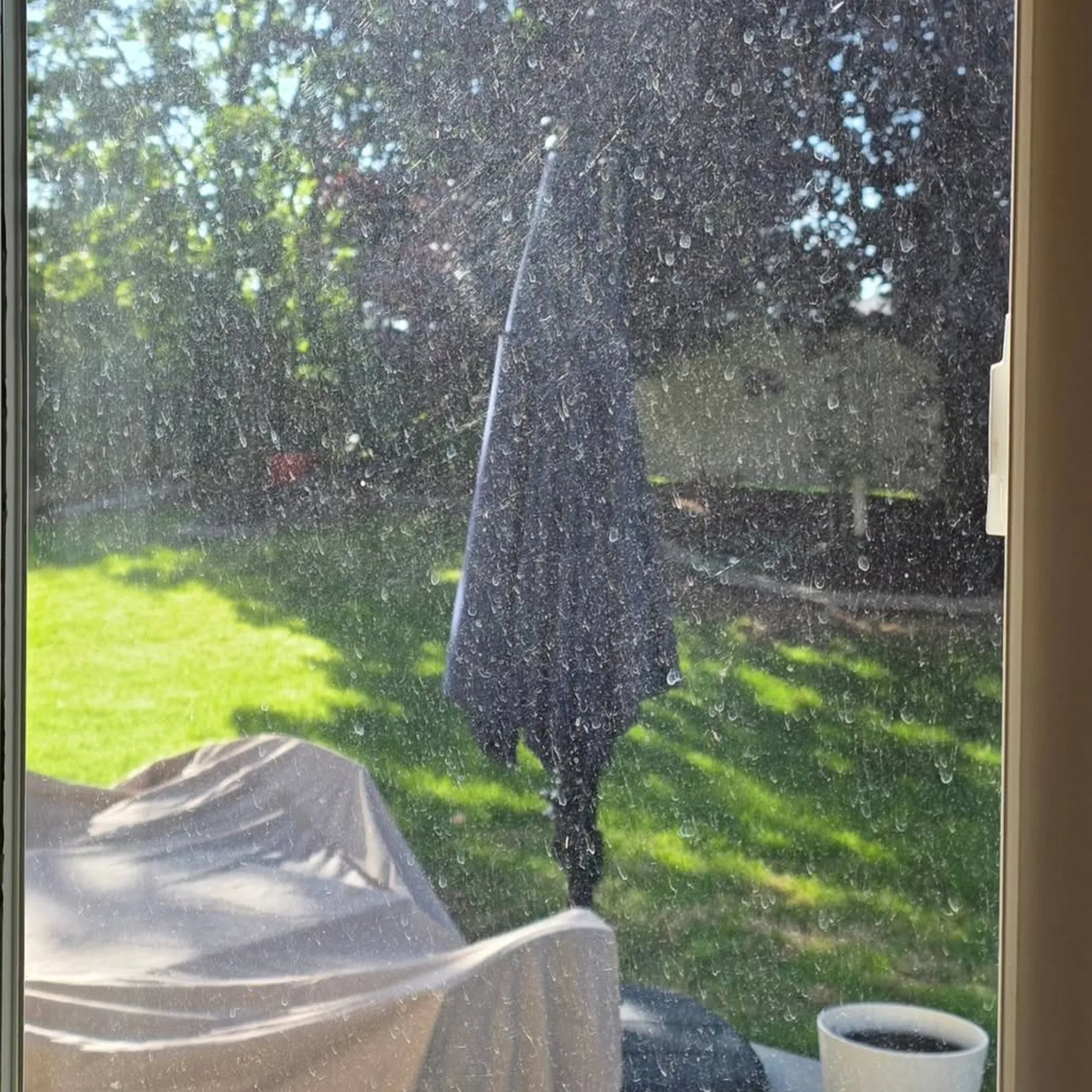
Whether you can get to an outside window is a matter of access, height and the surface. While a telescopic pole with squeegee and washer will suffice for first-floor or ground level glass, it is no replacement for the right equipment.
Under no circumstances should one stand on a sill, lean out of an upper storey or put oneself at an angle on a ladder. Uneven ground or overhead powerlines present a hazard, as does the wind and wet paving; in such cases engage a professional.
Extension Tools
Put the T-bar on an extension pole of the right kind and check the balance on the ground. You will be tempted to keep going with dirty water when the pole is long, so rinse the washer with regularity. For a second storey a pro will have his water-fed pole or ladders in place. The building and local conditions dictate what is safe; just because it is within reach from the ground does not make it safe to do.
Spots And Smears

Droplets left to dry will put mineral deposits on the glass, hard water spots you will find on coastal properties or where there is runoff from masonry and metalwork.
Try a little vinegar solution in an unobtrusive spot with a microfibre cloth, let it be for a moment and then dry and rinse. Mind you, do not allow anything acidic to rest on stone, marble, limestone or unsealed grout and you will avoid damaging them.
Find The Cause Of Smears
As to smears that remain, the cause is usually obvious: an overabundance of detergent in the mix, fabric softener in the cloth, a bad squeegee blade or the glass has been left to dry before you were done.
A second pass with a little detergent is sometimes called for on kitchen grease. But then you have silicone, paint and the like from construction work which are another matter altogether; be careful when scraping as glass can be easily scratched. And never put a razor blade to tinted film or any coating of unknown origin without first consulting the manufacturer.
Cleaning Mistakes To Steer Clear Of
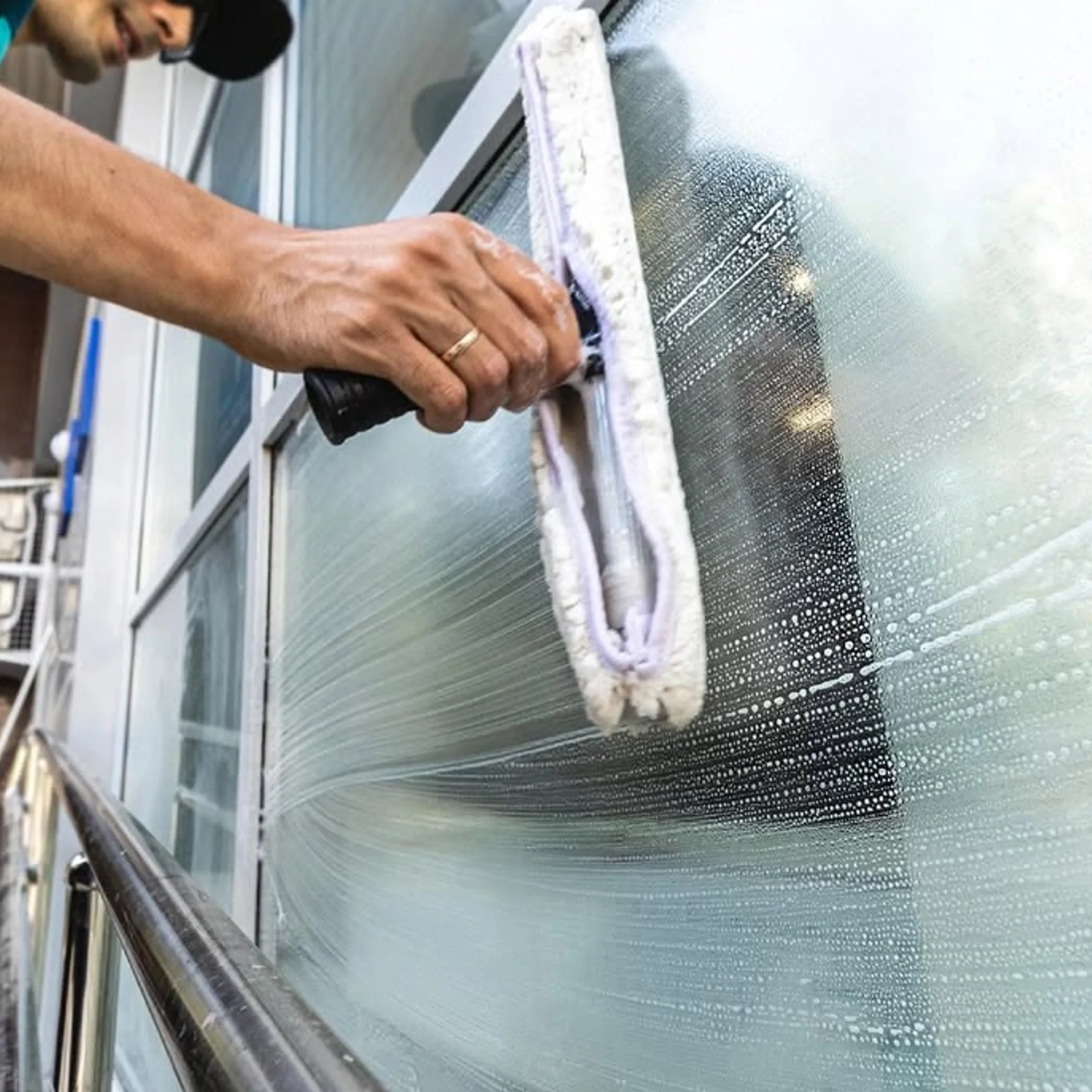
One has the general idea but small habits will see the finish go. The worst offenders are working in the sun, over application of product and dirty tools.
I was at pains to clean a window in Melbourne twice before I saw that the streaks were on the inside. Outside it was fine, but the interior had put down a thin film from the heating and cooking. A good lesson not to put the blame on the squeegee without looking at both sides.
- Newspaper, paper towel or any cloth with fabric softener on it should be put aside if there is ink or lint to be left behind.
- Do not put an undiluted vinegar or an abrasive pad to a surface you do not know.
- Nor spray your cleaner in copious amounts on to dusty glass.
- Leave the edges and tracks of the pane to be as soiled as the centre? Do not.
- Make sure the squeegee is used to take off the detergent before it has a chance to dry.
A Workable Schedule

You will not find one frequency that is right for all Australian homes. Panes in a quiet suburb do not demand as much as those by the coast, a building site or a well used kitchen. As a rule of thumb, give the exterior windows an once-over every few months and put them right when you see the marks from rain, salt or pollen. In the case of interior glass in a home with pets or in the bathroom and kitchen, spot cleaning will be more of a regular occurrence.
One-Day Plan
Make a priority of the glass where light and visibility count: the living room, the entry doors, the kitchen and whatever is accessible outside. Put the frames and screens through while you are at it to keep the dirt off what is done. If time is short, leave the badly stained or upper-storey windows alone; a partial job done neatly is preferable to some hurried business on a ladder. For anything that requires a certain physicality or height, make allowances to call in a pro.
FAQ
Windex or vinegar?
There is no clear winner. Windex is handy enough for an indoor job, diluted white vinegar for mineral deposits. Yet either will streak if you are heavy handed with the product or let it dry.
What is in the water of a professional’s tank?
For the exterior they will often employ a water-fed pole system with distilled or purified water to leave less residue on drying. At home a squeegee in good order and plain water will suffice.
Windows still smeared?
Could be the sunlight, a greasy film, too much detergent or a rubber blade past its best. Wash the cloths (no softener), cut back on the solution and tackle smaller areas out of the sun.
The non-streaking way to do it?
A T-bar washer, something mild, a good rubber blade and a cloth that does not lint. Brand is not as important as how you do it. See that the dust is gone and the water does not dry on the glass.
Bunnings window cleaner?
They have the products and the tools, but read the label to be sure it is compatible with your frames and any tint. You can get very good results with a microfibre and a squeegee, no fancy kit required.
For Streak Free Windows
Pick a calm, shaded hour and do away with the dry dirt. Squeegee the glass before it dries and use only a touch of detergent. Include the sills, tracks and screens in your work. It is not some proprietary hack, just patience and light pressure with your equipment. With the right approach a window on a beach or a dusty road can be made clear in no time.