There is a basic tenet to ladder safety for any cleaner in Australia: have the right ladder at hand, give it an inspection prior to the job and do not put speed ahead of a proper setup. Take the time to look over the weather, the surface, how you will access the area and the state of the ladder itself; it is better than having to account to a supervisor for a mangled piece of property or a nasty fall.
My name is Jasper Whitlock and I tend to be one to see what others are inclined to overlook. In this line of work that could mean a rung that has come loose, a tile with moisture on it or a ladder set out at an unwise distance from the wall. One does not ignore those things. What follows is a guide to ladder safety in the workplace put down in plain English, with some hands on advice for offices, industrial sites, schools, shops and the home.
Workplace Responsibilities
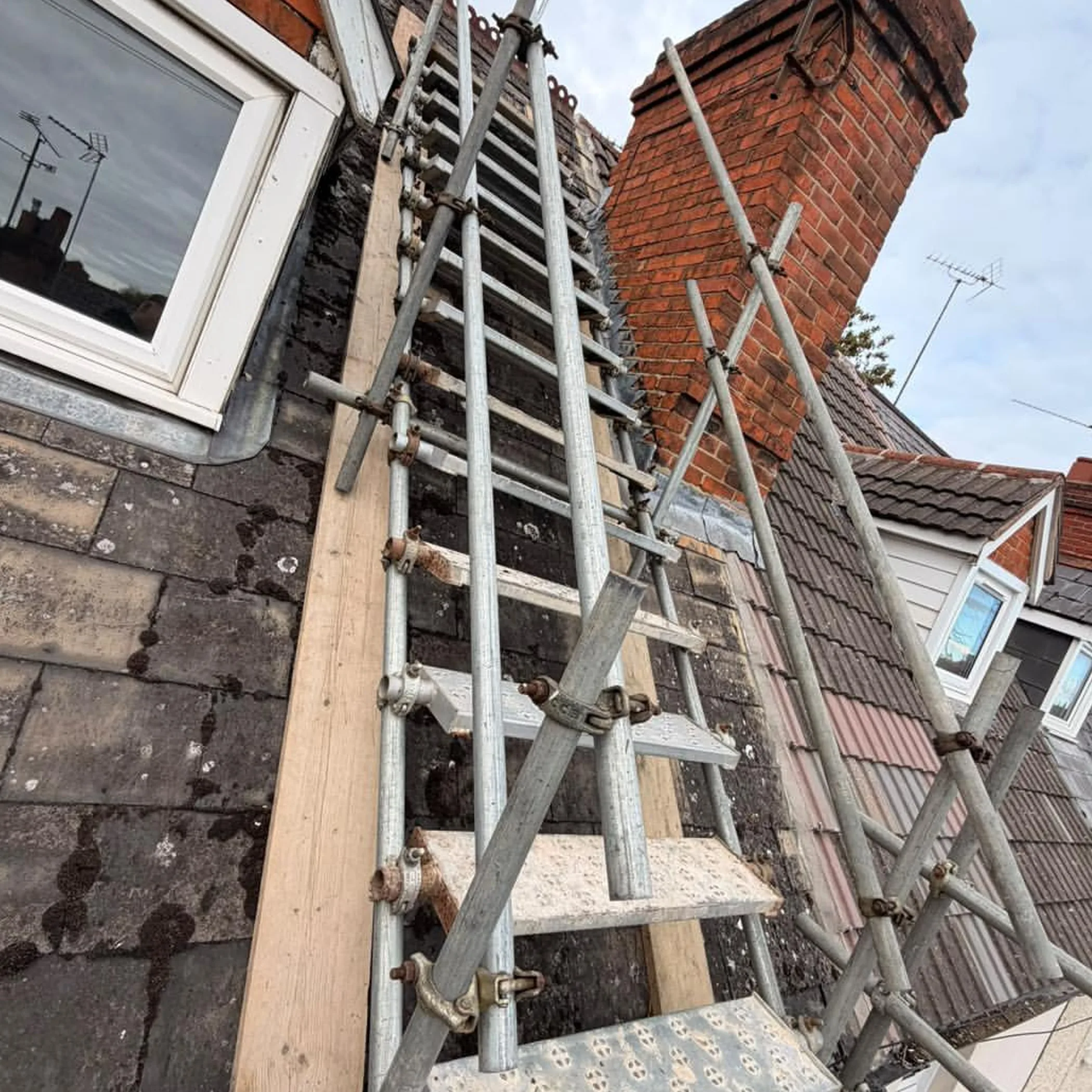
You can be sure a good measure of ladder safety is observed before the ladder is even taken from the storeroom. WHS duties are clear: both employer and worker are to make use of equipment as intended, observe safe procedure and spot any hazards.
It is up to cleaning firms to put in place the training, supervision and equipment required. The onus is on the cleaner to abide by health and safety rules, flag any damage and cease work if it is no longer safe. Following working at heights best practices is essential. A ladder is for working, not to be used as an end run around planning.
Put Some Planning Into It
Make an assessment of the task, its physical toll and how long it will take. See if there is anything in the way in the form of furniture, doors, buckets or customers.
Best practice when at height is to opt for the safest means of access. Should the work call for force or a lot of lateral movement or be above shoulder height for any length of time, a ladder is probably not the answer.
A quick check before you put your weight on it is in order:
- Verify the reach, duration and height of the task.
- See that the work area is free of impediments like vehicles, cords or other equipment.
- Make sure the ladder is up to the surface and has the necessary capacity.
- Footwear should be fully enclosed with a non-slip sole.
- If the wind is up, it is wet or visibility is bad, put the work on hold unless the risk is under control.
Selecting The Ladder
Do not go for the one nearest the mop cupboard, pick the one that is fit for the task. It will save you from the strain of carrying and stretching and the urge to put your foot on a step you should not.
The kind of safety you need from a step ladder is not the same as an extension. They present different stability risks and require a different approach, so have a read of what the manufacturer says.
Make It Match
For a brief stint of cleaning where a self-supporting platform is called for an A-frame will do. Just ensure it is wide open and the spreaders or locking braces are in place per the instructions.
Getting to an awning or upper level may warrant an extension ladder but it demands more forethought. You want it secured and at a safe angle against a sound surface.
Under no circumstances should a ladder be made into a bridge or stand in for scaffolding. Putting one on top of a pallet or bucket for a few extra inches is a sure way to make short work of a routine job.
| Ladder Type | Suitable Use | Main thing to check |
|---|---|---|
| A-frame | Firm, level floor for short tasks | Braces locked and fully opened |
| Extension | Greater heights for short access | Angle is safe and it is secured |
| Platform | Where you need to stand steady | Follow the instructions for the guard and platform |
| Alternative access | High risk or protracted work | As determined by a risk assessment |
Look Before You Climb
Everyone is in a rush to get the job done and an inspection checklist is an easy way to spot trouble. Do it every time you put the ladder to use, irrespective of whether a colleague has been at it earlier in the day.
Repeated folding, transport and exposure to chemicals and dampness will take their toll. Something was fine last week, today the hinge is loose or there is a crack in the foot. Ladders are not going to put a polite note on the calendar to let you know they are no longer safe.
Examine the Rails, Rungs and Feet
Give the rails or stiles, hinges, platform and locking mechanisms a good once over for sharp edges, corrosion or any part that is amiss. Be on the lookout for bends or contamination.
In particular, check for any play in the parts or a damaged rung. The non-slip feet ought to be clean and well affixed. A ladder may look dry but oil, mud, polish or other cleaning debris will still compromise the grip.
Under no circumstances should a damaged or unstable ladder be put to use, nor one with a safety component in short supply. Report the deficiency and take it out of service in keeping with workplace procedure, marking it as unsafe. An ad hoc fix with some tape or wire is not an option.
Stable Ground For Set Up
Cleaning ladder safety is predicated on having a firm level surface to stand on. With uneven flooring, a loose mat or wet tiles a worker could find the ladder moving before he can do anything about it.
Prepare the area: put any lightweight furniture aside, see to it that spills are dried and have others clear the vicinity of the ladder. Should the floor prove to be unsafe, make do with other access equipment or put off the work.
Control What Is Around You
The ladder must be secured from sliding or walking away from the wall. In the case of an extension ladder, employ a proper securing point and have a colleague steady it if the risk assessment deems it necessary.
Positioning a ladder by an entrance calls for the door to be locked or otherwise controlled. Put up barriers or warning signs as is done by procedure; a “watch out” is not sufficient in a busy corridor. Look up for hazards too. Before you put the ladder up, note any low door frames, beams, sprinklers or electrical services so there is room to work without coming into contact with them.
Four-To-One Rule
Many extension ladders are set at a safe angle by the four-to-one (or 1-in-4) rule. The base of the ladder goes 1 unit from the support for each 4 units of height from the ground. A 4 metre reach on the wall means the base is 1 metre out. Consider this a guide, however, not licence to disregard what the manufacturer says or site procedure.
Make Sure It Is Secure
Put the ladder down on both feet, not one foot and a wedge of hope. Locking devices need to be fully engaged and the upper contact point has to be sound and clean. Do not put an extension ladder to rest on a gutter, some unsteady furniture, glass or cladding that is not fixed. If you cannot secure it, do not climb it.
Should you need to get over a roof edge or landing, the workplace procedure for how to extend, secure and exit must be followed. One does not make up a method on the spot when requirements vary by site and equipment.
Maintain Three Points Of Contact
Practically speaking, keep two hands and a foot or two feet and a hand on the ladder. That way the body is better balanced in the event of a shift in the ladder or a loss of footing.
Your belt buckle ought to be in line with the stiles; leaning outside the rails is a sign of overreaching. Put the ladder in a new position rather than put in a stretch for one more spot, which is where the trouble is apt to start.
Climb With Caution And Not Much In Hand
Leave the bucket, vacuum or any bulky equipment that would impede your view or hold on. A tool belt or hoist line is the approved way to go for small items.
Face the ladder and put one foot in front of the other, hands free, with no jumping or sliding down. Any task calling for a good deal of pressure, scrubbing or drilling warrants a re-evaluation of how you are accessing the area.
Be mindful of the weight capacity. Factor in the worker and his clothes and gear. The rating on a ladder does not mean it is safe for every job under that number.
Wet And Windy Conditions
Water, detergent and polish can turn a floor and the ladder’s feet into a slip hazard, a common pitfall for the cleaner. Dry things off and do not let liquid pool around the ladder.
Out of doors the wind is an added danger, especially with long extension ladders or handling blinds and signs. Unless the controls and the task have been assessed to be safe, leave the ladder inside during gusty weather.
Obstructions And Weather
The weather in the Top End has a way of turning a perfectly safe outdoor arrangement into something else in short order with a wet season storm. Down south one can find smooth surfaces made damp by cold mornings. Then there is the matter of access to sites in the north from November through April, which can be compromised by cyclone alerts, storms or bushfire closures. Do not put it out of mind that the weather will be as flat as a pancake; make sure to see what conditions are at the site.
Inside, give some attention to low ceilings, clutter, ramps, floor drains and any polished flooring. Put away electrical leads from the ladder and put an end to spills when it is safe. While personal protective equipment will limit your exposure to chemicals, it is no substitute for a firm footing on a slippery ladder.
Opt For Safer Access
For anything light and brief where there is little need to move about sideways, a ladder will do. But if the job is protracted, calls for force or heavy gear, or puts the worker in danger of a bad fall, it is not the right tool.
One might turn to an elevated work platform, mobile scaffold, platform ladder or some other system that is approved. What is appropriate is a function of the site risk assessment, training, location, how long the task will take and the surface and height involved.
There Are Times To Call It Quits
If you are unable to hold three points of contact, have no control over hazards or people in the vicinity, cannot put the belt buckle in its proper place or get the ladder to stay put, then stop and ask for some direction. An untrained novice should not be left to his own devices with a complex extension ladder.
Workplaces can look to safety authorities, equipment suppliers and those who provide training for help in making their selections. The working-at-heights guidance put out by Safe Work Australia is useful for underpinning procedures and risk assessments.
Ladder designs and what is required at a workplace are not uniform, so site rules and the manufacturer’s instructions are still paramount. The information Bailey Ladders or Kennards Hire put forward may inform a worker as to the features of their product or hire, but in the end the label on the ladder and procedure at the worksite must prevail.
Put Ladders Away In Good Order
Storing ladders properly means someone is less likely to come by and pick up something damaged. A dry, set aside spot is best, one where they will not block an emergency exit or come to harm. Leave extension ladders well supported at the right points, not just propped against a wall. With an A-frame, only put it away closed if the maker says it is alright. Make sure the rungs, feet and hinges are free of standing water, grit or chemicals.
When the day is done, a quick check for any new damage and a wipe down of moisture and cleaning agents is in order. Report any faults. It is better to do this than have the next man along find them part way up.
Some Questions On Ladders
Cleaners on a busy site have to juggle time and safety and we have put together some straightforward answers to the questions they tend to ask.
What are the important safety tips?
Use the right ladder and put it on a level, firm surface. Inspect it, make it secure, don’t overreach and keep three points of contact. You should also have things like doors, cords and wet areas around the zone under control.
Setting up safely?
First thing is to inspect the ladder and clear the area. Position it per the manufacturer and for an extension ladder, put the four-to-one rule into effect if you can, lock it and make it secure before you put a foot on it.
Five core rules?
They are: have the correct ladder, inspect it, put it on stable ground, never overreach and three points of contact. They go some way to preventing a fall but are not a stand in for a risk assessment of the site.
Is the top step ok to stand on?
No. Any part the maker deems unsafe, the top cap or a prohibited step is off limits. If the height is not there, get a different or taller system and heed the labels.
Storage?
In a designated, secure and dry place where they will not be damaged or in the way of a walkway. Get rid of faulty ladders and clean them of any chemicals.
Routine Safety
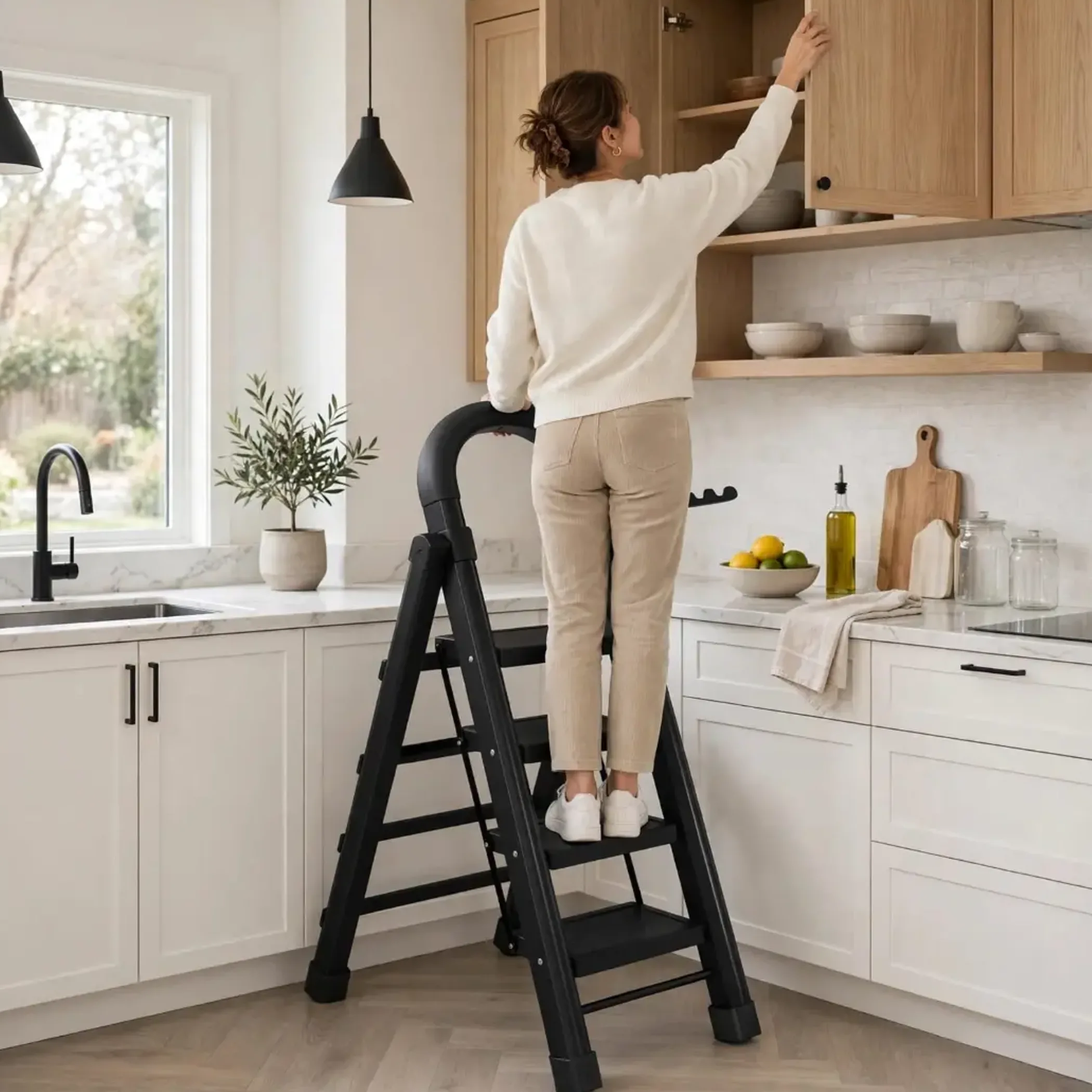
It is all in the habits across Australia: plan, have the equipment to hand, inspect, control the surroundings and climb in balance. The task is unremarkable but gravity is unforgiving.
For a cleaner, using a ladder with care is about more than the individual; it is protection for the public, the client and colleagues and for the work itself. Follow the procedure and allow the minute or two to make sure the setup is safe before climbing.