For a combination of pleasant weather, the option to dine al fresco and thinner tourist numbers, spring and autumn are typically when one should head to Australia’s coastal restaurants. They are well suited to most travellers. The tropical north is another matter, with May to October being the preferred period, and the south has its own charms for a winter dinner in some of the coastal towns.
There is not one month that will be ideal for every table by the sea in such a vast country with as many regional climates as Australia has. Jasper Whitlock can attest to that from his road trips and the odd lunch put to an end by rain coming in sideways, not to mention weather forecasts he could not trust. Do some planning on the region and the season beforehand and organising your seaside meal experience is all the simpler for it.
Fewer Crowds In Spring And Autumn
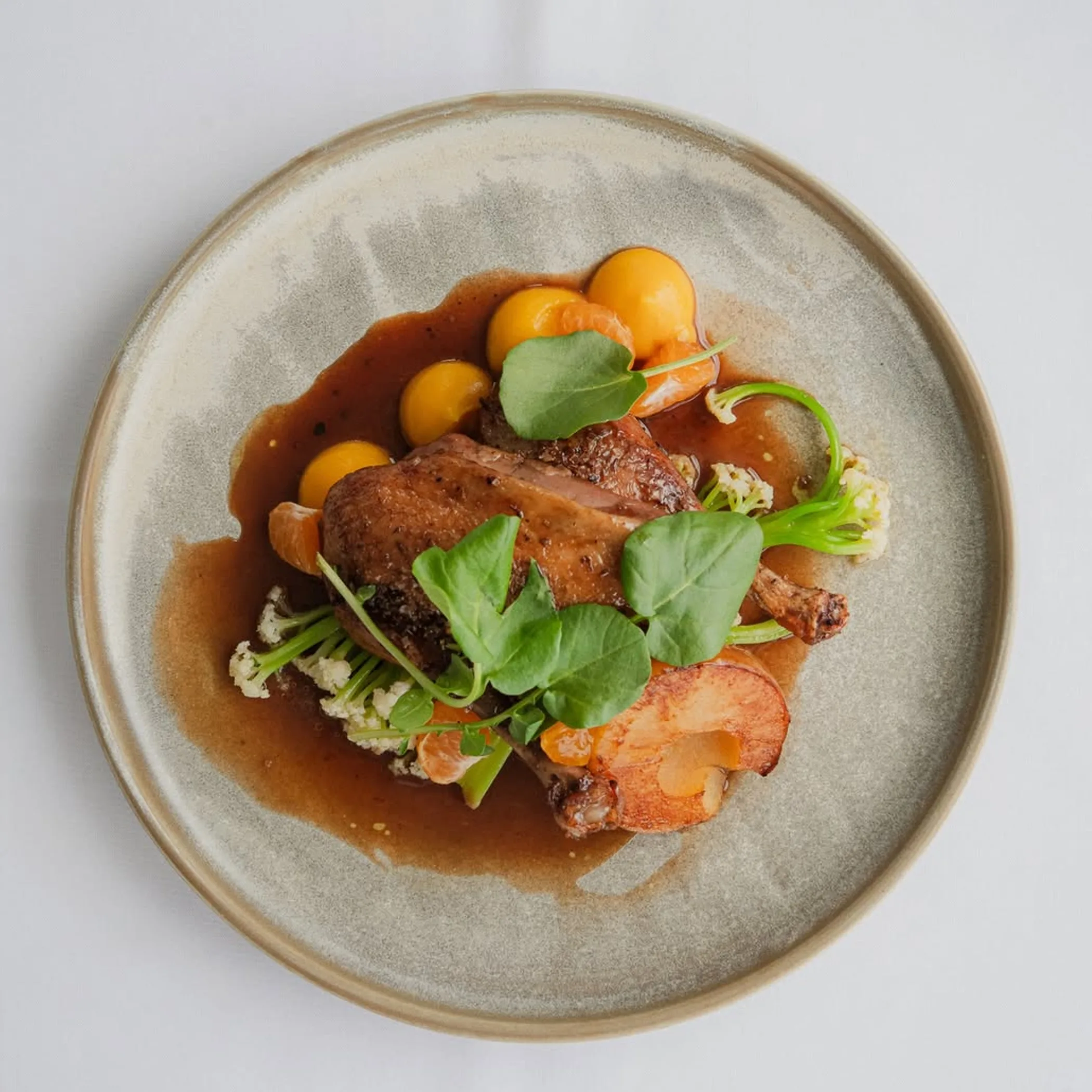
Much of Australia’s coast is best dined on in spring or autumn. One gets the warmth of the beach and open air without having to put up with the brunt of summer, the hordes of school-holiday makers or the premium on accommodation.
It is more flexible too. There is no need to book a table weeks in advance and if you have a late lunch you can put in a sunset walk without contending with everyone else who has had the same notion.
Fresh Weather In Spring
The longer days and rising temperatures of September to November make for good conditions. You will find Sydney, the South and Sunshine Coasts and other towns are agreeable for a morning amble and some seafood after.
In the south of Australia a coolness lingers in September once the sun goes down. For those wanting to eat outside but not be tethered to a heater, October and November are better. Bring a light jacket and sunscreen and have a plan for the wind; the weather on the coast has a way of changing its mind.
Autumn Is Comfortable
From March through to May, autumn is hard to beat for coastal dining in Australia. While March might hold on to some of the summer, April and May see cooler evenings and a thinning of the tourists.
It is a sensible time for a road trip to the West Coast, the South or Sydney. Daytime is easier for driving and putting in a walk between venues and heaving your luggage across a car park that was obviously laid out by someone with an animus towards luggage.
Beaches And Buzz Of Summer
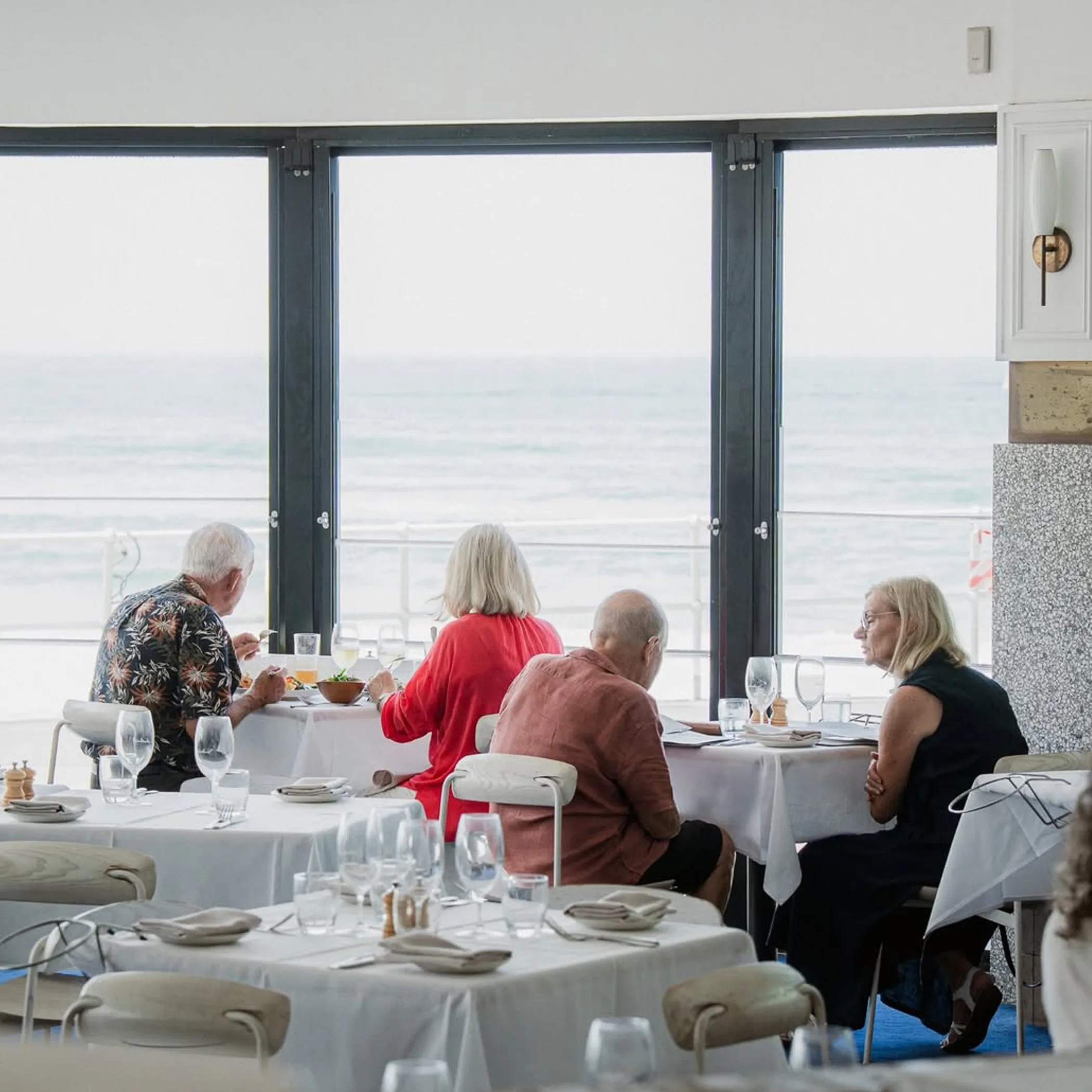
If a holiday with long evenings, good seafood and a bit of life is what is wanted, then December to February is the time for it. The waterfront is energised, swimming is tempting and restaurants will be open later.
But demand is the price to pay. It is peak season in Australia come the Christmas and New Year break and January holidays. Waterfront accommodation will run to more in AUD than one might like and a popular restaurant will be as full as a sardine tin.
Atmosphere In Summer
Travellers of a celebratory bent or with family in tow will find summer suits them, as do those who like a promenade with some traffic. The East Coast has no shortage of restaurants near the attractions and beaches, from Byron Bay and the Gold Coast to Sydney and the Sunshine Coast.
Make sure to put in a reservation for Friday or Saturday at a waterfront spot. Or go for a weekday lunch, an early supper or pick a place a street or so off the main beach. The view may be a little less but you will have a table, a bill to match and be able to make out what your companion is saying.
Dealing With Heat And Storms
A 12 o’clock meal in the warmer climes of summer is not as agreeable as an early one. Between November and April the tropics are subject to cyclone warnings, deluges and humidity.
Have a back up venue and do not be in a hurry with travel when storms are on the roads or public transport. A quick look at the forecast before settling on an outdoor table is wise. In the south there is the added complication of bushfire smoke and closures in summer.
Winter On The Southern Coast
Some would think you need bright sun and bare feet for a proper coastal meal and so pass over winter. Yet in southern Australia it is possible to get a table on short notice in a quiet restaurant with some local seafood and crisp air.
Melbourne, Tasmania, the Great Ocean Road, parts of the South Coast and South Australia are fine destinations for this from June to August. One is not so much inclined to put in time outdoors as one is to put in for a warm dining room with the moody sea on view.
The Southern Sun
With winter days of shorter duration, make it a lunch and do not count on a late dinner by the water. A venue to the north will be more to your liking in terms of warmth, and an enclosed verandah or a restaurant with heating is the prudent option should the wind and rain set in.
I was guilty of the usual error when I first put some miles in on the Victorian coast in winter: dressing for the camera instead of the elements. The picture was fine, my fingers were not. Put on a decent jumper and waterproofs and shoes suited to a wet path.
Smaller Seasonal Menus are to be Expected
It is no cause for alarm if a coastal restaurant has altered its menu or cut back on opening days in winter; local demand and what is in season will dictate that. But before you put in a long drive, see to it that you have made any necessary bookings and checked the hours.
Then there is the matter of accommodation value and parking being less of an issue in winter. For a slower pace and some local conversation over a quiet meal, it is hard to beat the season.
A Dry Season for the Tropical North
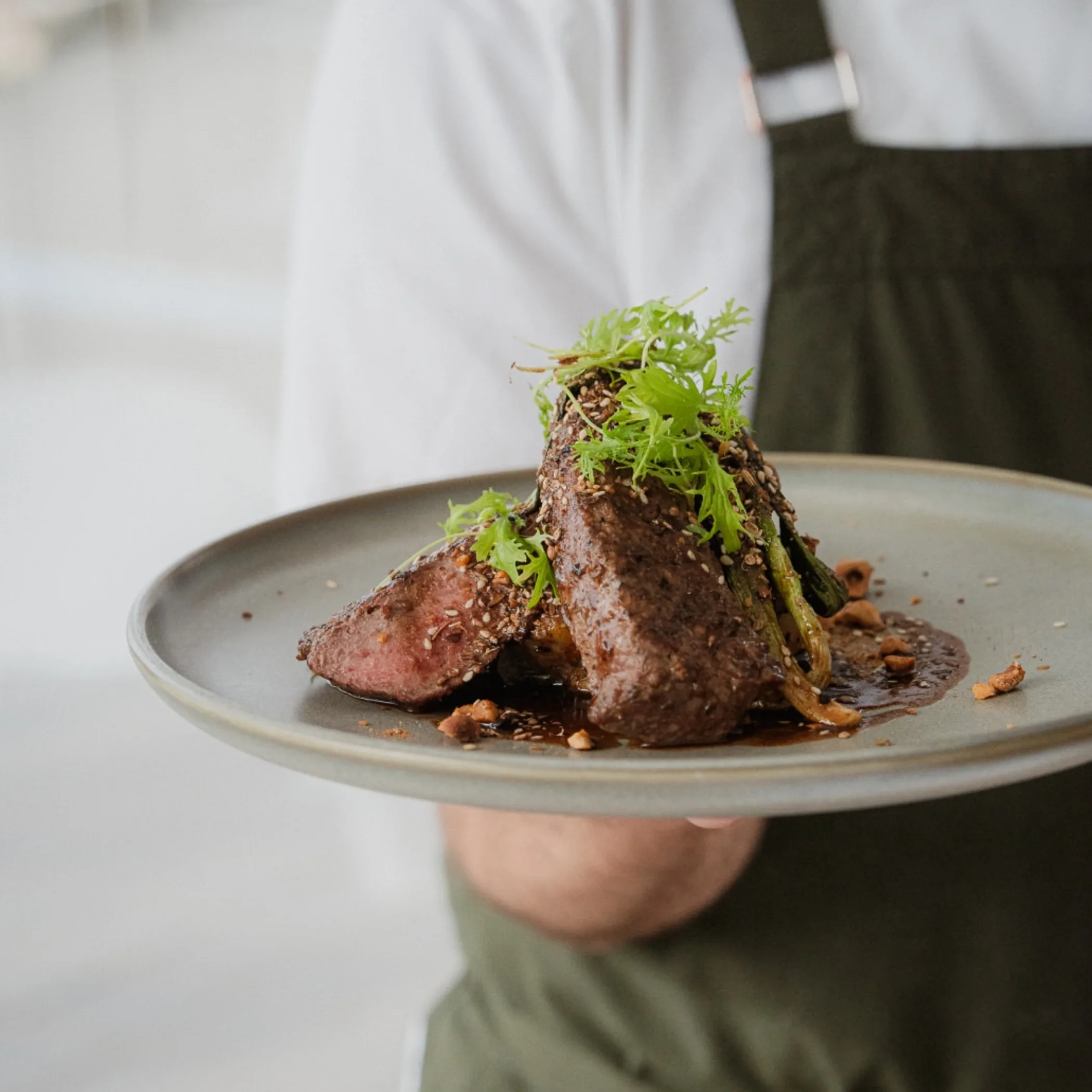
Coastal restaurants in the tropical north of Australia are at their most comfortable in the dry months of May through October. With the humidity down and heavy rain less of an occurrence, travel is more dependable and you can pair a good meal with some sightseeing or a trip to the reef without trouble. This holds true in the vicinity of the Great Barrier Reef, Darwin, Port Douglas and Cairns. Do not think of the dry season as cool though. You will want shade after a day out in the open; the tropical sun is no laughing matter.
Heat And Humidity Will Dictate Your Plans
From November to April the wet season is upon us. Rainfall and humidity can put a crimp in outdoor dining, road access and boat excursions. Expect some businesses to alter their hours and for tours to be called off in bad weather. An experienced traveller with the flexibility to change his plans will find it worthwhile enough for the greenery, lower prices and absence of tourists. Just be sure to have your insurance and check the weather; when the sky opens up you may have to forgo lunch.
Croc-Wise Around the Water
Heed the advice and signs in these parts as to tides, stingers and where to swim. There is no guarantee a beach is safe for a dip just because it is quiet. Dinning at a restaurant is simple enough but poor planning is exposed when you are trying to get back from a remote spot after dark.
Make use of the Bureau of Meteorology for an overview of seasonal patterns and rainfall across the country, and consult official park data prior to a drive or reef outing.
Coastal Regions and Their Seasons
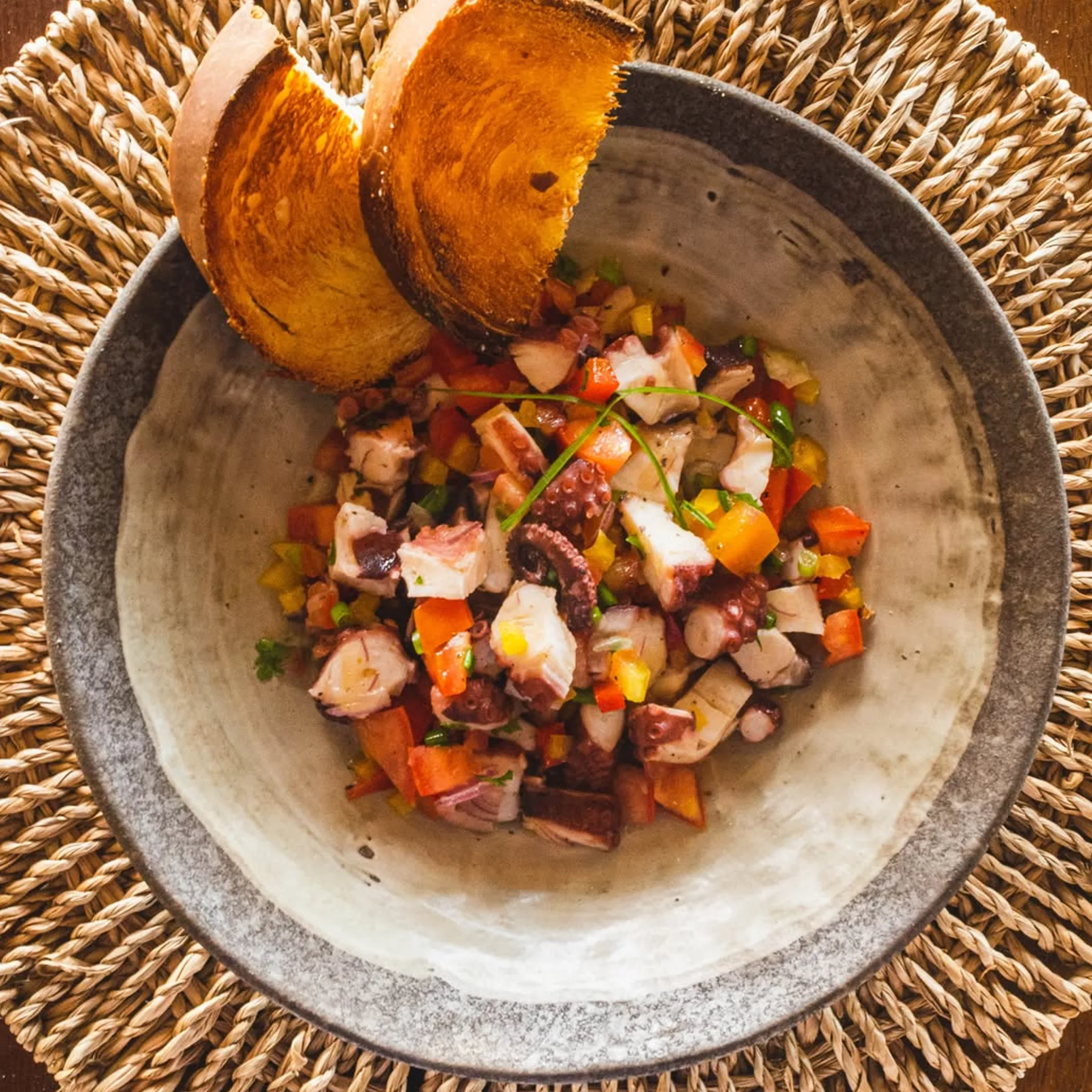
Where you are headed will determine the right time to be on the Australian coast. Regional climate is of more consequence than any national average, let alone an itinerary that goes from the temperate South Coast to the subtropical east and on to the tropics.
Below is a table for your planning. The temperature figures are broad daytime indications, not to be taken as gospel; look at the local forecast before you leave.
| Region | Best dining window | What to expect | Planning note |
|---|---|---|---|
| East Coast: Sydney and environs | March to May, September to November | Mild and conducive to outdoor dining, crowds are manageable | Summer is all the rage but you will need to book a table |
| Gold Coast / Sunshine Coast | April to May or September to November | Warm and free of the holiday rush | Beach trips are fine in summer but it gets busy and humid |
| South Coast | March to May or October to November | Seasonal seafood and pleasant driving | Winter has its quiet moments but the evenings turn cold |
| West Coast | March to May or September to October | Relaxed lunches and good for a coastal drive | Mind the distances between towns |
| Tropical north / Great Barrier Reef | May to October | Less humidity and drier | Wet-season rain will put paid to outdoor plans and tours |
East Coast Planning Windows
Autumn and spring tend to be best for the east coast. Sydney has the most to offer in the way of transport and restaurants; you will not find the same range in smaller towns once summer is done. On the Gold Coast the shoulder season, say April to May, is usually preferred. One can still make of the waterfront and the beaches but sidestep the school-holiday throngs. The Sunshine Coast is much the same, town by town.
South And West Coast
Travellers with a taste for the open road, good local fare and an uncluttered dining room will find the South Coast well worth the trip. Come autumn one can put in some walks and coastal lookouts, or visit a market or two, before the winter rain sets in; it is a practical time to be out and about.
When it comes to West Coast Australia, March through May and September to October are generally the times to go, though the destination will dictate that. Perth is not in the same vein as Broome or Margaret River and Coral Bay. A neat national-season rule should not be the basis of an itinerary; regional climate, the state of the roads and sheer distances have a way of altering things.
Remote driving calls for water, a plan for fuel and means of communication, be it a phone or satellite, where you need it. The Stuart Highway and Gibb River Road are not a quick run to the bistro and they demand preparation. And leave a road train be, it is no ornament for the scenery.
Booking and the Crowds
The weather is not the only consideration. A few degrees on the thermometer will have less impact on a meal than weekend traffic or school holidays and other local happenings. Summer might hold out the prospect of impromptu dining on the beach but in practice the sought after places are booked solid. A shoulder season could seem tranquil until a public holiday weekend puts every car park full from here to the next headland.
How to Book
Put in a reservation for dinner at least a few days in advance in summer or for any long weekend or event of note. Do so even sooner for a top waterfront spot. Make sure to enquire if the “waterfront” table is truly outdoors or under cover, it is not always windproof.
A weekday or getting there before the rush is better for casual eating. In a small coastal town away from the summer months, a call ahead is advisable. An online listing will not tell you the chef has taken himself off fishing or of reduced hours for the winter.
Getting Around
You can make light work of restaurant hopping in Sydney or on the Gold Coast with a taxi or rideshare. But in the smaller towns a car is usually more sensible when venues are scattered over kilometres of coast.
Be mindful of parking restrictions as the sun goes down. Some beachside spots are busy well before dinner and what appears to be a short walk may be up a steep, poorly lit street. If you intend to have a drink, see to your return transport or a driver before the second round is called for.
Smooth Sailing
Any sound plan for a coastal restaurant takes into account tides, the sun, how the roads are and what to do when the weather is anything but pleasant, not to mention the needs of older travellers or those who would rather not put on a sprint in formal shoes across a car park.
An Itinerary for the Day
Do not try to cover several far flung venues in a single day, pick a town. Get in at 10 am for a market or a stroll, lunch at midday or shortly after, then put in two hours at a gallery or lookout before an early supper.
Factor in 30 or 45 minutes to spare for queues, the weather and finding a parking space. Should there be a lengthy drive involved, let lunch be the main affair and get back in daylight. There is little point in a fine table if you are worn out and still three hours from the motel.
A Quick Planning Checklist
Put in a check on the regional forecast, be it for wind, storm warnings, humidity or rain.
Make sure you have the details on the restaurant: opening times, what they can put in front of you diet-wise, any need to book and so on.
Factor in the tides, sun, heat and poor mobile reception as well as any paths that may be underfoot.
See to your parking or how you will get back before you sit down to eat, in peak season this is all the more important.
If dining outside, have water at hand along with sunscreen, insect repellent and something light to put on.
Picking a Season
There is no one size fits all. For flexibility and value in equal measure, spring and autumn are the way to go. Make it summer when you want a bit of life around you and time on the beach over a quiet table. The south has its calm restaurants in winter and fewer people about. Put reef excursions and outdoor meals at the heart of your plans and the tropical dry season is called for.
Those with an aversion to the heat and crowds would do well to steer clear of the height of summer. And if you cannot abide not having a booking, do not put your faith in some remote coastal town when it is not their main season.
Some Coastal Dining Questions We Get Asked

Travellers tend to ask these of us prior to making a reservation. The answers are straightforward but we would put in a last check on local conditions before you set off.
East Coast of Australia: When is the right time?
Autumn and spring, from March to May and September to November, are generally best. You will find the temperatures agreeable and the tourist hordes thinned out, which is good for a walk on the coast after a meal. Summer is fine for a holiday of a more active sort, provided you put in your bookings at the better venues in advance.
The Gold Coast?
You could not do much better than April/May or September/November. It is warm enough for the beach and eating al fresco and there is not the same demand as you see over Christmas and January. In summer the place is popular, expect the restaurants to be full and accommodation hard to come by.
Best months for the West Coast?
March to May and September to October are where most would start. But whether you are in Perth, Broome, Coral Bay or Margaret River makes a difference. The area is vast so look at the distances and road and rainfall conditions.
When is Australia at peak tourist time?
It is a matter of region, but the coastal spots are at their busiest in the summer and around the public and school holidays in December and January. In the tropics the pattern is different, the dry season being the most amenable.
Any reason to avoid coastal restaurants in winter?
Not at all. If you like a cosy interior and do not mind easier parking, the southern coast in winter is very good. Do confirm with the restaurant first though, hours can be curtailed and daylight is short; an outdoor table is not to be counted on.
In the end, pick the season that works.

Spring and autumn give the traveller the most room to manoeuvre and decent value. Winter for a leisurely southern meal, the dry season for the Great Barrier Reef and northern Australia, and the long evenings and beach side energy of summer.
Jasper Whitlock has a rule for it: pick the region, then the restaurant (before you let hunger decide), and look at the forecast twice. Be open to a change in the weather or a tip from a local and an extra order of chips. A coastal day is made that way.