It is a matter of habitat, patience and when you make your visit as to where you will come by kangaroos and birds in an Australian park. You can put in an appearance at the likes of Kangaroo Island, Tidbinbilla Nature Reserve or one of the national parks in the Canberra and Victoria area; the Mornington Peninsula reserves and the Australian National Botanic Gardens are also good options. Go for it at first light or dusk, be quiet and hold back from the open grasslands and bushland you are scanning.
You need not have a safari vehicle or be on good terms with a four-wheel drive to see your share of eastern greys, wallabies, koalas, wombats and parrots in these spots. I am Jasper Whitlock. Having made my way through Australia and spent years in Victoria, I have found that spotting wildlife is largely a case of slowing down, seeing what the access is like and making peace with the fact the animals are not going to follow your itinerary.
Where To See Them
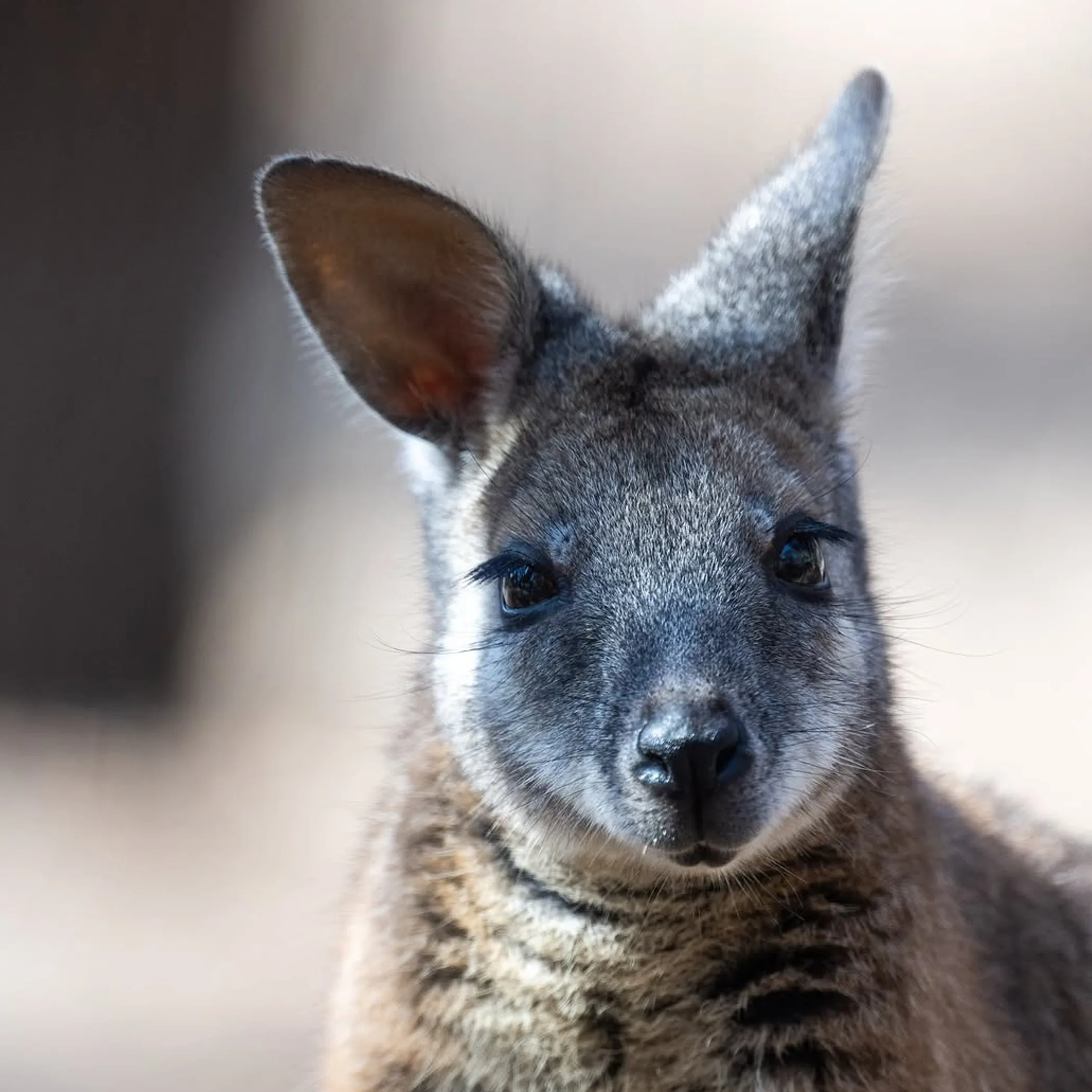
One finds the finest encounters where there is food and water and a quiet track to walk, so do not just pick the largest park on the map. Seek out the island habitats, wetlands, creek lines and coastal scrub, or grassy plains adjoining woodland. While conservation spaces and wildlife parks in Australia are fine for a family wanting something dependable, the national parks and protected bushland are where you will see wild animals in their element. Consider any sighting a bonus, and enjoy these parkland adventures.
Habitat Is More Important Than Distance
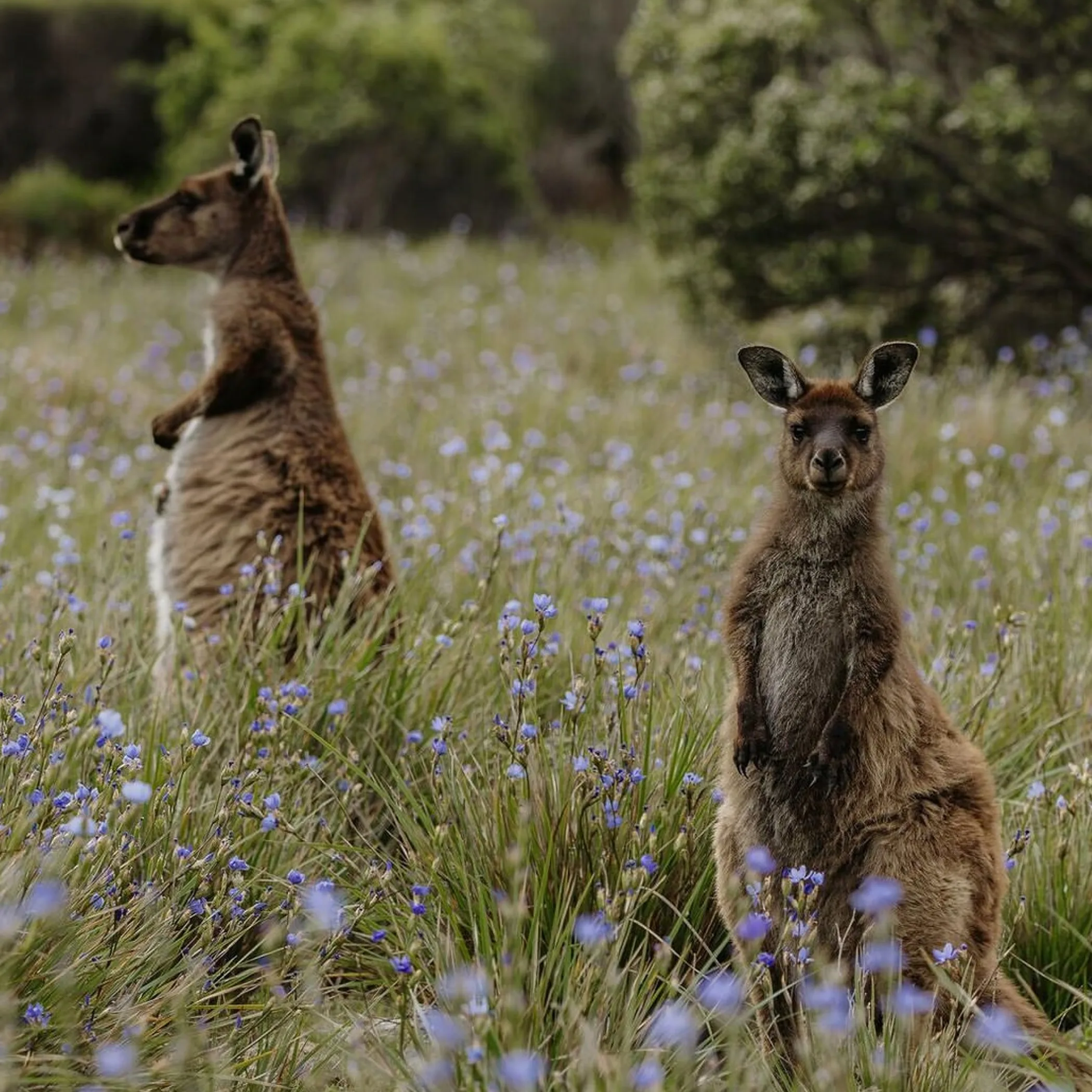
The eastern grey kangaroo will be in the open grasslands and lightly wooded plains, or at the edge of the wood. Wallabies tend to make for thicker vegetation and rocky forest ground. In the arid country of the Red Centre, the Flinders Ranges and Western Australia you have a better chance of red kangaroos.
The same holds for birdwatching here. A short track with some variety in the habitat is preferable to trudging through a uniform stretch of bush. Wetlands will have the waterbirds, mature trees the cockatoos and lorikeets in their hollows, and flowering shrubs the honeyeaters and parrots.
Parks Worth Visiting
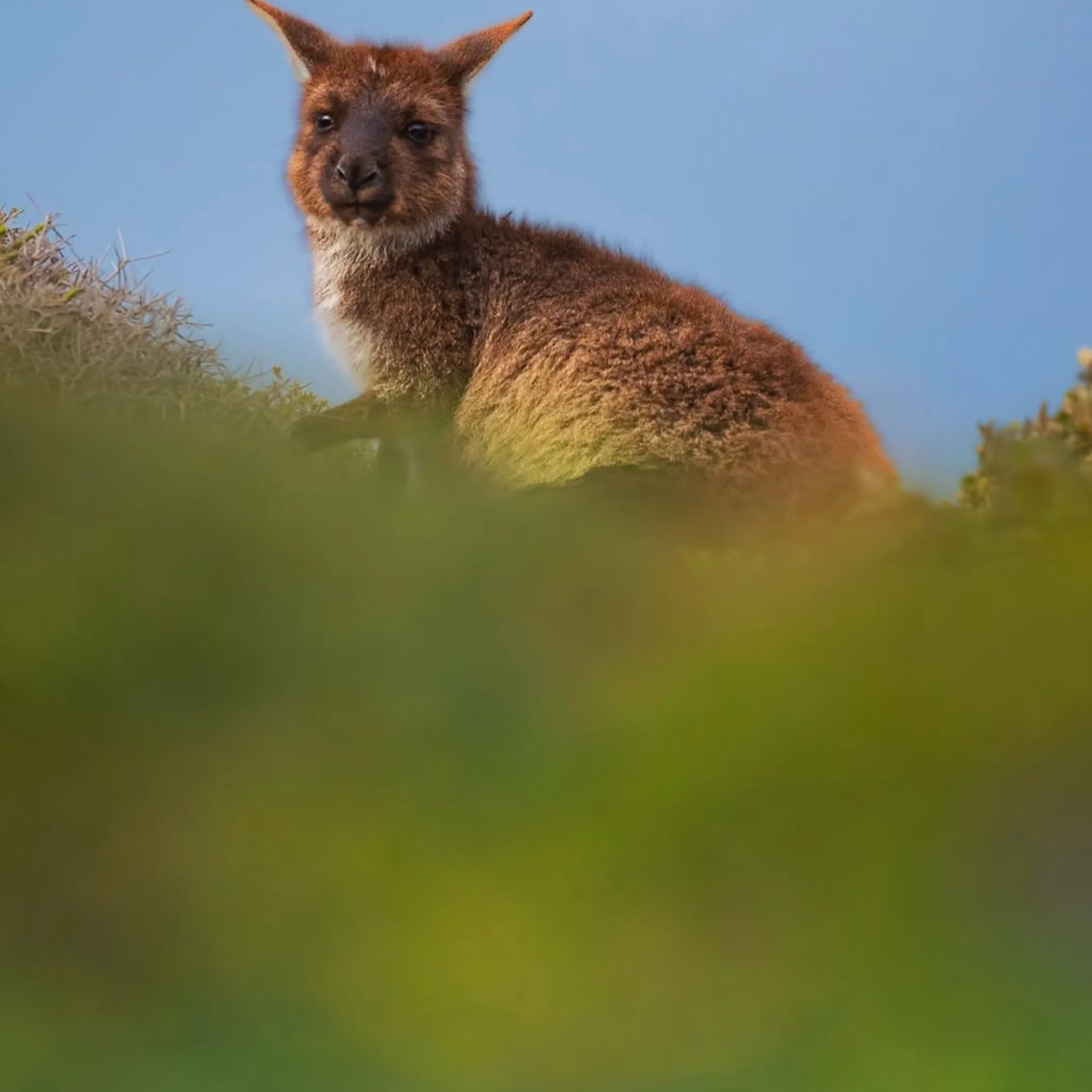
From the remoteness of an island to easy urban settings, the following have much to offer. Do yourself a favour and put in a call to the state or territory authority to be sure of road conditions, permits, fire warnings and any seasonal closures before you set off.
| Location | Best For | Access And Effort | Some Practical Notes |
|---|---|---|---|
| Kangaroo Island, South Australia | Western grey kangaroos, wallabies, coastal birds and koalas | A hire car after the ferry or flight; put aside a few days | Murray Lagoon and American River for the birdwatcher |
| Tidbinbilla Nature Reserve, ACT | Eastern greys, wallabies, wombats, birds of the woodland | Half a day’s drive from Canberra | Make use of the picnic areas and forest tracks as well as the meadows |
| Australian National Botanic Gardens, Canberra | Parrots, native and urban birds | Short, unassuming paths with no trouble getting to the city | When the weather or time does not allow for more |
| Mornington Peninsula, Victoria | Bushland species, coastal birds, the odd wallaby | Drive from Melbourne; each reserve has its own conditions | Sorrento Back Beach for a coastal walk but mind the tides and surf |
| Inland national parks | Red kangaroos, emus and arid-zone birds | Some longer drives and vehicle planning called for | Have your fuel, water and offline nav in the remote bits |
No Haste On Kangaroo Island
With its open country, coastal vegetation and the fact it is not over populated, Kangaroo Island is hard to beat for wild kangaroos. Make plans to get about in a hire car, walking between sites is not the way to go. A day trip in a hurry will cost you in time and money on the ferry and you will end up with more road signs in your sights than wildlife.
American River and Murray Lagoon are excellent for birding if you can stand still for a while. Binoculars are in order, but let the shorebirds be. You will see kangaroos in the open grassland around dawn and in the late afternoon but don’t be in a hurry behind the wheel then; blind corners and wildlife do not mix.
Tidbinbilla
If you want to see kangaroos in Australia without putting in three days in the bush, Tidbinbilla Nature Reserve is the sensible thing to do. It is not far from Canberra and has its meadows, wetlands and walking tracks.
Get there early on a weekend and start in the open before you head for the forested parts. An eastern grey may be grazing in a clearing and you might spot a wombat. Do not make of the reserve a drive-through; give yourself four hours or so to do some viewing and have a proper rest.
Options on the Mornington Peninsula
For a Melbourne resident in need of some coastal walking and a bit of wildlife, the Mornington Peninsula is an apt choice. Do not go to Sorrento Back Beach with the idea that you will see kangaroos; it is better for the birdlife and the scenery, so temper your expectations. You might come across wallabies or native birds on the less frequented bushland tracks and reserves in the vicinity, though one never knows what season or crowd levels will put in an appearance.
Then there are the perils of the beach. Make sure children and dogs are under an eye, shun any cliffs that look unsteady and be aware of the tides. An easy enough coastal track can have a way of wearing you down once the wind and sand and rough footing conspire against you. Consider it nature’s entry fee, receipt optional.
Top Species and Where to Find Them
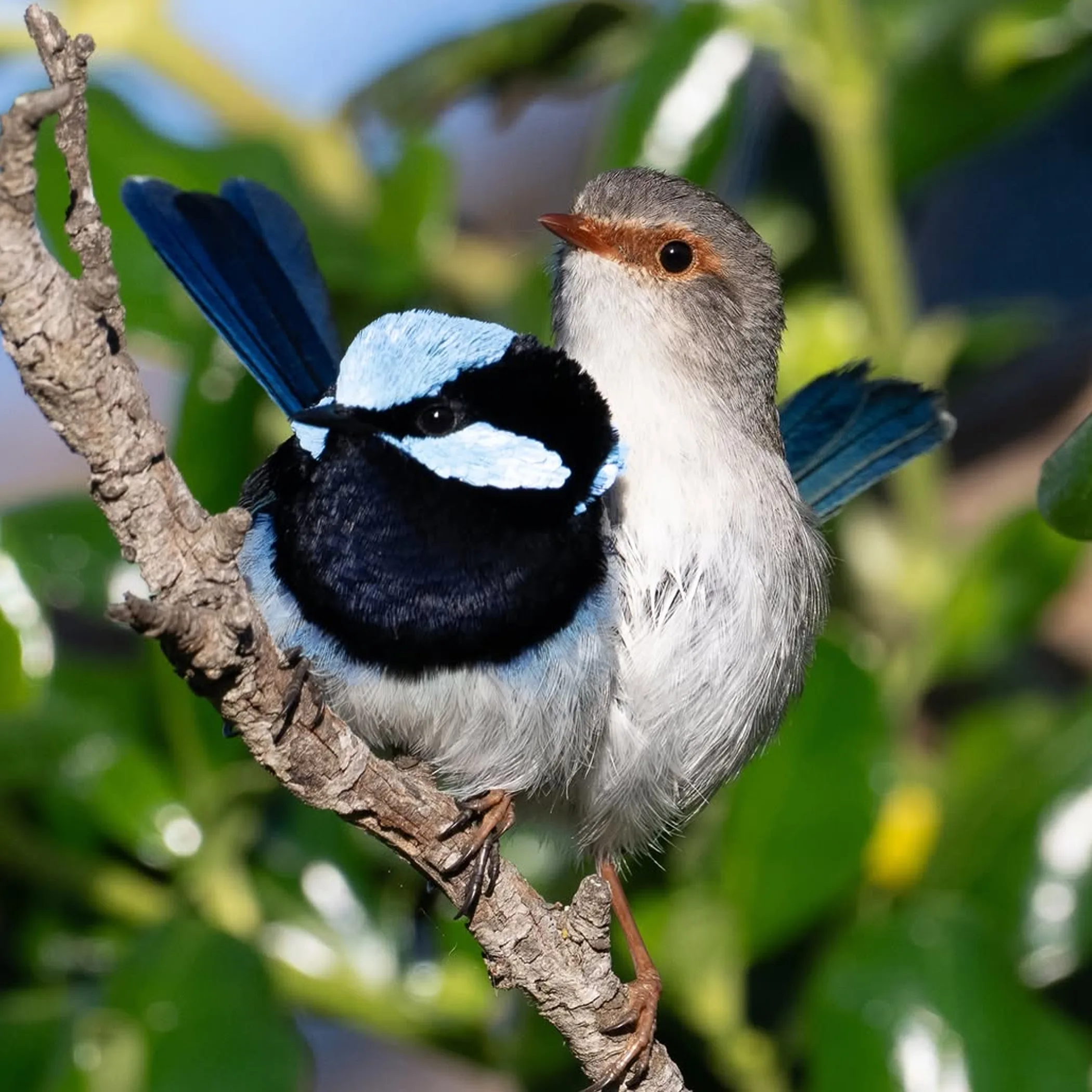
There is habitat to be had in Australia from the remotest parks to the cities and their regional towns, which is why birdwatching caters to the novice as much as the ardent type. Put away the costly camera and have some quiet feet and patience; you may have to put up with a bird having a laugh at your unpreparedness.
With over 800 species in the country a weekend is hardly going to cover it all. Let the behaviour and the habitat be your guide instead of making a list of names like so many fridge magnets.
Gardens, Wetlands and Woodlands
The Australian National Botanic Gardens is a convenient spot for those in Canberra. The paths are in good order for a short visit and the native plants put in an appearance for parrots and honeyeaters. At the Murray Lagoon and other wetlands, reeds and mudflats are where waterbirds are to be found. Binoculars are a must, as is sticking to the marked path so as not to put off any nesting or feeding birds. Go in the morning for the best calls and a more tranquil atmosphere.
Sightings
Parrots are hard to miss with their colour and raucous ways. A honeyeater will putter about from flower to flower in a hurry. Some waterbirds sit so still you are left to wonder if they are really birds. In eucalyptus woodland a koala is possible but they rest most of the day and elude you; make an effort to look up from the track. Wombats are of a mind to be out after dark and at dusk, so do not drive or walk without care when it is black.
When to View Wildlife
Kangaroos are most often seen at the cooler hours of dawn or dusk, moving from shelter to graze. Birds will be at it all day but you will find fewer people and better calls at first light. The season has its say too: spring means more activity and flowering, whereas in the cooler months a kangaroo is easier to locate in the open by day. In summer the heat puts animals in the shade and a bushfire can put paid to your plans on short notice.
Weather Considerations
Up north the wet season will turn a track to mud and raise the waterways, sometimes closing roads. The dry is more amenable but expect the popular places to be crowded. From November through April cyclone warnings in the north have been known to disrupt accommodation, roads and flights.
In the Pilbara and Red Centre the heat is a different matter altogether. Take plenty of water and some sun protection, a short walk will not be comfortable once it gets hot. And on the Stuart Highway or Gibb River Road you cannot be casual about fuel and communications.
A Day for Wildlife
Make of your one day what you can by picking a reserve within easy reach. Those in Canberra could start at the Botanic Gardens and make for Tidbinbilla Nature Reserve afterwards if the daylight and conditions are right. In Melbourne pick a Mornington Peninsula reserve and allow for unhurried observation rather than putting in five hasty stops.
For the beginner, stick to the well marked viewing areas and paths where there is a toilet and mobile service. The remote inland parks have their rewards but are not for the solo traveller with no recovery gear or anyone who does not like long distances and the heat.
Be a responsible tourist
It is in your interest to be so, as is the animal’s. Threatened wildlife will run or hide or get used to people. The one who makes the least noise will be the one to see them. And forget the notion that proximity makes for a good photo. When an animal ceases to feed, veers off or keeps looking back, you have already encroached.
Maintain a distance
You should give kangaroos, wallabies, koalas, wombats and any nesting birds their space. Under no circumstances are you to feed wildlife; an animal may be used to the presence of visitors or seem in need of food but human provisions will only make it ill, put it in the way of roads and picnic spots or bring out its more aggressive side.
Where park rules allow, have your dogs on a lead and if they are not permitted then leave them at home. A zoom lens is better than cornering an animal for a photo, so do not surround or touch wildlife. Speak quietly and let the animal decide where to go.
- Before you set off, see what the official park has to say on alerts, track closures, fire and weather conditions, as well as any permits required.
- Have with you a first-aid kit of sorts, some water, sun protection, a phone that is charged and offline maps, and wear good footwear.
- Stick to the tracks put in place, shun closed off areas and if you are on a remote walk, put your return plan before someone.
- And on rural roads where kangaroos are apt to cross, do not put on speed at night or around dawn and dusk.
- When you are done, take your rubbish and leave any natural materials you come across, be it a shell or a feather, in situ.
For national park conditions and to plan a visit in the proper manner, the visitor information from Parks Australia is a good resource. But state and territory park agencies are the ones to rely on for the final word on local safety notices and permits.
A Park Walk: What to Pack
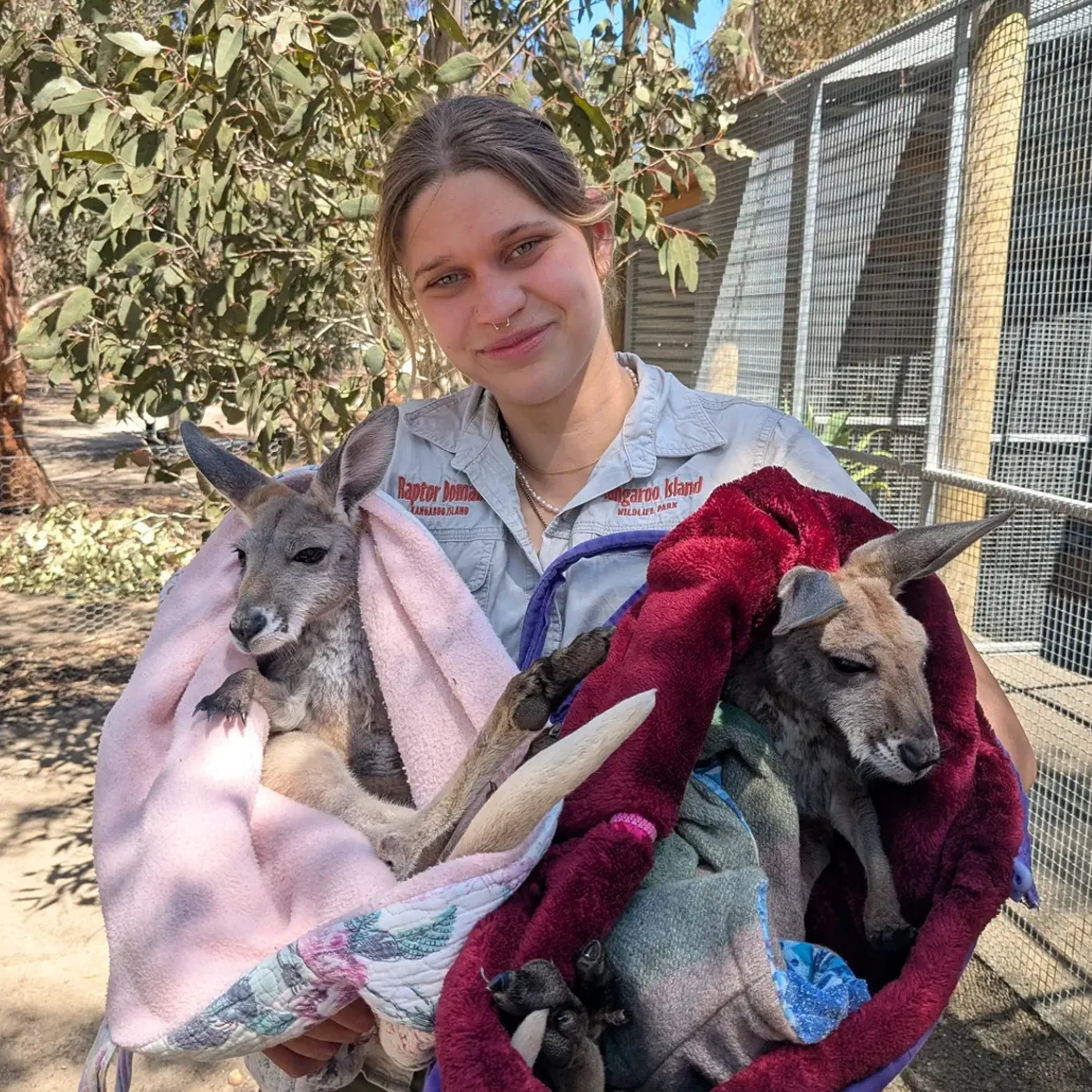
The right equipment will see to it that spotting wildlife is a comfort. One might set out for a leisurely morning but find oneself there for hours because a family of kangaroos has put on a fine display by the side of the track. Be prepared for a slower pace and whatever the weather brings, more so than your walking app would have you believe.
As for cost, fees are dependent on the destination. Put aside A$20 to A$60 per head as a working figure for a reserve or basic wildlife walk with an entry or parking charge, transport not included. An island excursion with a hire car, ferry and room can put you well over that so look up prices before you book.
Wildlife Checklist
- Binoculars and a notebook to put down species and behaviour.
- Sunscreen, a hat, insect repellent, a light rain jacket and refreshments.
- For pre-dawn you will want neutral clothing, something warm and closed shoes.
- A camera (battery charged) but keep the flash off when near wildlife.
- Some printed emergency information and offline maps in case reception is poor.
A torch is handy for moving about in the parking area, though one should not shine it on the animals. A red light is less of an intrusion where allowed, yet many parks restrict access at night. Heed the local signs, general advice is no substitute for the rules of the park.
Frequently Asked Questions
What is the best spot in Australia for wild kangaroos?
It depends on the traveller. Kangaroo Island is an all-round bet for them and other wildlife, Tidbinbilla Nature Reserve suits those in Canberra. You will have better luck with red kangaroos in the inland parks but expect to put in more preparation for the heat and lack of services.
What does a kangaroo fear most?
Adults are subject to different threats according to species and locale; a vehicle, drought or a dog can do damage. The young are at the mercy of predators and the elements. Visitors would do well to slow down on the road, exercise control over dogs and not pursue wildlife.
Can I put out some food for a kangaroo in the parks?
No. It is unwise to feed them, they become reliant on people and are given food they should not have. Keep your hands to yourself and observe from a safe remove.
Which park has them?
There are kangaroos in conservation spaces, nature reserves and national parks throughout Australia. Start with Tidbinbilla or a park in Victoria or Kangaroo Island. Do not count on a sighting though, the animals are moved by the weather and how much pressure there is from visitors.
And for wildlife in general?
That is a matter of what you are after. The north and inland have emus and specialist birds in habitats unlike the urban nature and accessible reserves of Canberra or the birdlife of Kangaroo Island. Pick somewhere you can be patient and safe.
Making the most of it
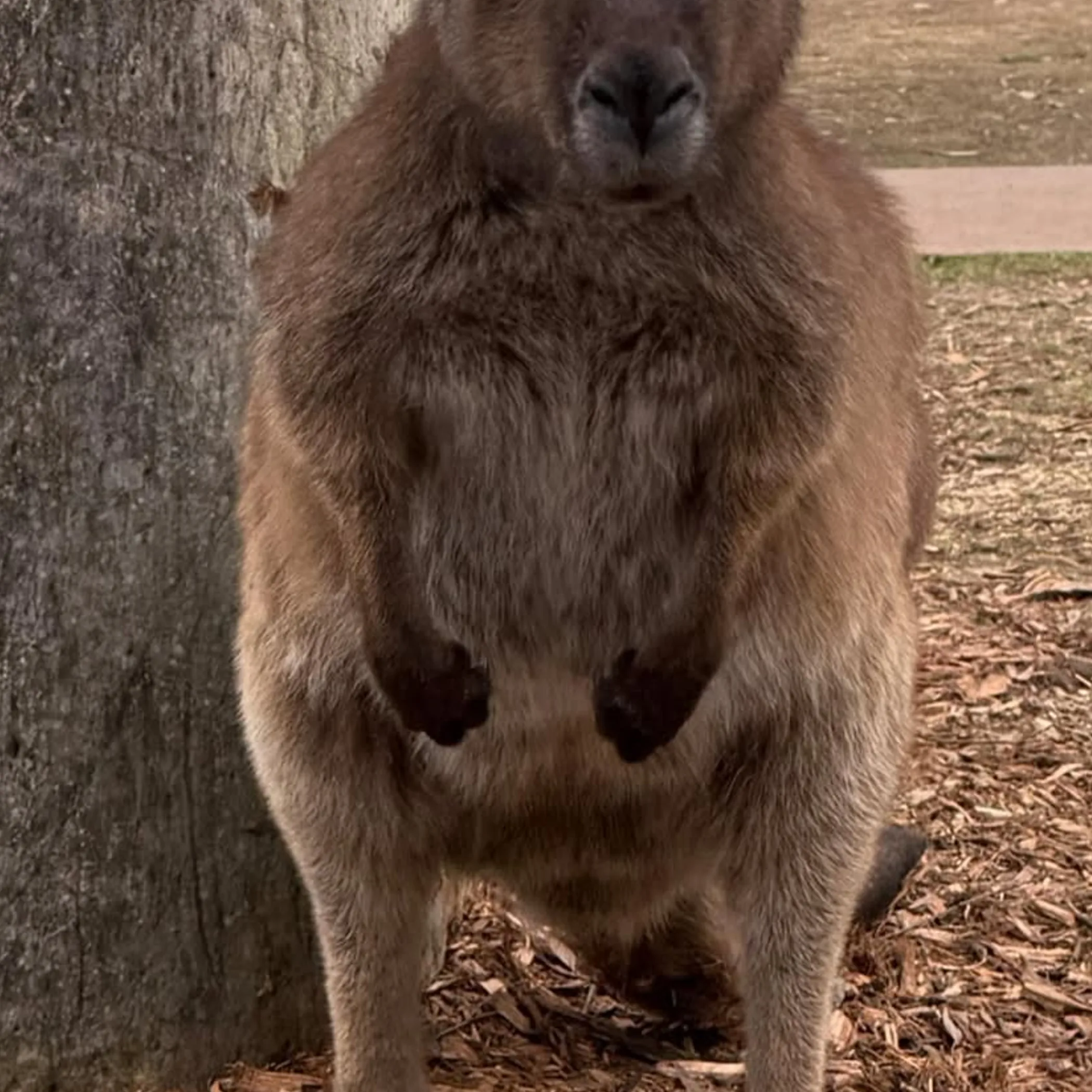
Australia’s top kangaroo viewing is not always in the most well known of places but where the habitat and timing are right and you behave accordingly. Get in early or wait for dusk.
Be it a weekend in Victoria or a foray to Kangaroo Island, there is more to be had from a parkland adventure if one is open to the unexpected. The highlight could be a parrot or a wombat’s track, or a ten minutes of nothing. Not a waste of time, that quiet is when the bush shows you what was going on prior to your arrival.